
- 10/12/2026
- 239 Views
- Comment
Chicago’s social dance nights—whether they’re taught events, open socials, or community “dance club” gatherings—share one goal: creating a safe, welcoming space where everyone can dance comfortably. Ballroom etiquette helps the floor run smoothly, reduces awkwardness, and makes it easier for newcomers to join in.
“Good etiquette” isn’t about being stiff or formal. It’s about consent, courtesy, and awareness: letting others know you’re available, respecting space, and communicating clearly about holds, turns, and music changes.
Before you dance: be ready to connect
When you arrive, give yourself a moment to observe how the room works—where couples start, how people line up, and whether the night uses sign-ups or a free-dance style. If the event has hosts or DJs, follow any specific guidance they share (for example, where to stand between dances or how to find partners for class-adjacent socials).
If you’re not sure how to ask, a simple, polite approach works: make eye contact, smile, and ask if the person would like to dance. If they’re busy or declining, accept it gracefully. The best social dancers are consistent about reading cues and taking “no” without pressure.
On the floor: control your space and your energy
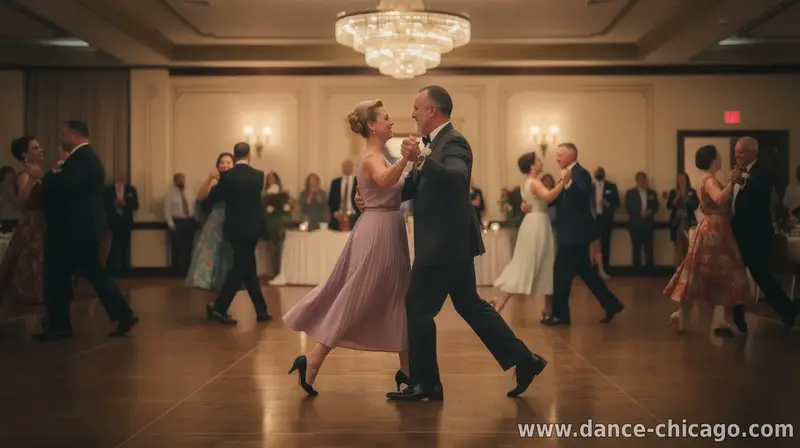
Ballroom social floors can get crowded quickly, especially during popular songs. Keep an eye on your surroundings: maintain your lanes, avoid sudden changes in direction, and be mindful of couples who are moving with less room. If you notice you’re drifting into another pair’s path, adjust early—small corrections prevent collisions and keep the dance flowing.
Respect the “lead and follow” roles. Leaders should avoid forcing hand placement or steering through someone’s comfort zone; followers should respond with signals that are clear and steady. If you’re dancing with a new partner, choose a partnership style that matches the room—stay comfortable with basic patterns and add complexity only if you both feel aligned.
Also, watch the pace. In ballroom, music cues matter: if a song speeds up or the DJ transitions, don’t keep going with moves that require long setup times. If you need to slow down, do so smoothly—don’t abrupt-stop in the middle of traffic.
During changes: communicate and clear space
When songs end or a shift is coming, be proactive about clearing the open space. That usually means letting your partner finish the last turn or step, then gently creating room rather than lingering in a blocking position. If the DJ announces a rotation, open floor, or partner reset, follow it promptly.
If you’re taking a break, step to the side rather than standing mid-traffic. Between dances, keep your conversation close to the perimeter so you don’t create blind spots for moving couples.
Common pitfalls to avoid
- Overleading or “yanking” through turns—it can feel unsafe and throws off partners who are new to you.
- Dominating the center—if the floor is tight, take the edges and give others space to pass.
- Ignoring comfort cues—if a partner seems unsure about a hold, tighten your basics rather than pushing for advanced figures.
- Holding on too long after the song ends—communicate the handoff and move out of the travel path.
- Talking through the dance—save conversation for between songs so partners can focus on musical timing.
In Chicago, the ballroom social community is at its best when dancers act like good hosts to each other—especially to first-timers. If you’re experienced, offer clarity: demonstrate basic positions, keep your patterns simple when the room is crowded, and be ready to adapt to your partner’s level.
When everyone follows these etiquette norms—asking respectfully, dancing in control, and clearing space at the right time—the floor becomes more welcoming for the next couple who’s just walked in and is looking for a friendly partner.
Related materials
Be the first to share your opinion with others.