
- 10/12/2026
- 262 Views
- Comment
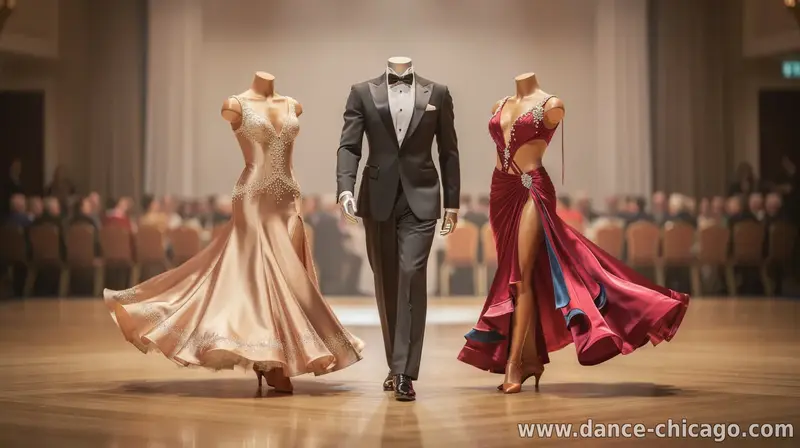
Ballroom competition dress codes are usually less about fashion trends and more about visibility, appropriateness, and consistency with the event’s rules. While each organizer may publish specific requirements, most divisions follow similar principles: costumes should be neat, movement-friendly, and designed to flatter your lines under stage lighting.
General rules that apply to most divisions
Before you shop or sew, check the event’s official handbook—especially the sections covering attire, footwear, hair, and jewelry. In many competitions, costumes are evaluated for suitability rather than extravagance, so it’s smart to aim for a clean, complete look that won’t distract from your technique.
As a baseline, choose garments that fit securely (no slipping), allow full arm and leg extension, and keep shoulders and key areas appropriately covered. Color should contrast nicely with the floor and background, and embellishments—if allowed—should be well-secured so they don’t snag or shift mid-routine.
Division-by-division outfit guidelines
Because competition levels vary by country, federation, and even region, the “dress code by division” below reflects commonly used patterns. Treat it as a starting point, then align it with the specific rules for your event.
Beginner / Youth (often “Open” or “Novice” brackets): Modest, simple outfits are usually preferred. Girls frequently wear a practice-to-competition dress that’s lined and comfortable, or a satin/skirt dress with a clean neckline. Boys typically wear a white or black shirt with a vest or jacket (when required), paired with tailored trousers.
Intermediate / Pre-competitive divisions: Costumes can become more “performance ready.” Girls often upgrade to a more structured ballroom dress with tasteful rhinestones or applique (if permitted), and boys add more formal tailoring—such as a complete vest-and-jacket look. Shoes should be competition-quality and pre-broken in to reduce slipping or blisters.
Advanced / Competitive (higher-level scholarships or ranking events): At these levels, judges often expect a more complete ballroom presentation. Girls may wear fully competition-style gowns with coordinated sleeves, back details, and secure embellishments. Boys may wear uniform-like tailoring: crisp shirts, well-fitted vests/jackets, and polished dance shoes. Expect stricter scrutiny on fit, finish, and overall presentation.
Championship / Elite finals (highest division): These divisions typically allow—sometimes encourage—more elaborate detailing, provided it still follows the rulebook. For girls, that can mean richer fabric, more refined stonework, and dramatic but tasteful silhouettes. For boys, it may mean premium fabric choices, sharp tailoring, and highly polished overall grooming. Even here, “more” only works if it remains secure, comfortable, and movement-friendly.
Footwear, hair, and finishing touches (often where points are lost)
Footwear is one of the biggest consistency factors across divisions. Girls generally choose ballroom heels that provide stability and control, while boys use leather or competition dance shoes with the correct sole for their style. Make sure shoes match your costume and look clean from heel to toe—dust and scuffs can matter under strong lighting.
Hair should be styled to stay in place throughout full routines. Many competitions prefer a neat bun or secured hairline for ballroom styles, with accessories kept minimal unless the event allows themed or rhinestone clips. For jewelry, follow the rulebook—if it’s allowed, keep it secure and avoid anything that could fall, pinch, or catch.
Practical test: If you can’t comfortably do a full routine in the outfit—arms overhead, spins, deep bends, and footwork—the costume likely won’t survive competition safely, especially in higher divisions where performances are longer or more intense.
Quick “what to bring” checklist
Even with the perfect outfit, small issues happen. Consider packing a simple competition kit:
- Extra hair pins/elastic (division-appropriate and color-matched)
- Lint roller or small fabric brush
- Spare rhinestones/repair tape (only if your rules allow alterations)
- Back-up dance tape or blister prevention
- Polish/wipes for shoes
Ultimately, the best ballroom competition look is one that fits your division’s expectations and your own comfort. Start with the handbook, then build a costume that showcases your lines, stays secure, and photographs well under stage lights.
Related materials
Be the first to share your opinion with others.