
- 09/20/2026
- 204 Views
- Comment
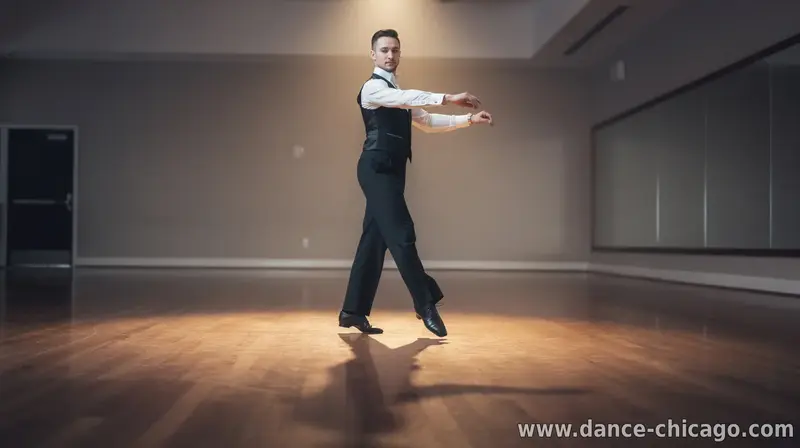
Ballroom dancing is often pictured as a close-couple activity, but beginners don’t necessarily need a partner to start learning. Many of the hardest early skills—body alignment, rhythm, weight changes, and stepping patterns—can be practiced solo with the right routine and feedback.
That said, ballroom is fundamentally a partnered art once you move beyond fundamentals. Progress accelerates when you can practice connection, steering, and shared timing on a crowded dance floor.
What you can learn solo
Even without a partner, you can train the mechanics that make ballroom look effortless. Solo practice is especially effective for building consistency and reducing common beginner errors.
- Posture and frame: learning where your shoulders, arms, and head sit relative to your center
- Footwork and technique: practicing step timing, pivots, and foot placement accuracy
- Timing and musicality: counting beats, recognizing phrasing, and stepping through changes in tempo
- Balance and directional control: controlling weight transfers and movement lines
How to practice without a partner
The most effective solo approach is to follow a curriculum rather than “just dancing.” Look for beginner classes designed for individuals, studio videos with repeatable drills, or structured practice plans from reputable dance instructors.
Set aside short, focused sessions: start with warm-up and timing claps or step counts, then run the same pattern slowly with attention to alignment, and finish by repeating at musical tempo. Recording yourself with a phone (from the side and front) can provide useful feedback on posture and foot placement.
You can also practice with a stand-in—such as a practice partner made of a firm support for arm positioning—or rehearse “lead” and “follow” motions separately. The goal isn’t romantic connection; it’s training your body to move correctly.
Where a partner becomes essential
Ballroom’s defining challenge is that two dancers must share space and respond to each other continuously. Solo practice can only approximate key elements such as connection, frame stability under pressure, and coordinated turns.
Partner practice is particularly important for:
- Lead-and-follow mechanics: learning how cues travel through the frame and how timing affects the step
- Turning together: maintaining shape while rotating as a couple
- Floorcraft: moving safely around other dancers in real social settings
Practical next steps
If you’re starting alone, focus first on fundamentals that transfer directly to partnered dancing: basic steps, posture, and rhythm. Then seek partner opportunities early—through partner-matching events, beginner group sessions, or attending “arrive early” open practice nights where instructors help newcomers pair up.
In other words, you can begin ballroom without a partner, but you should plan to add partner time as soon as you’re comfortable with the basics. That combination—solo discipline plus real couple practice—is the fastest path to dancing with confidence on the floor.
Related materials
Be the first to share your opinion with others.