
- 10/12/2026
- 404 Views
- Comment
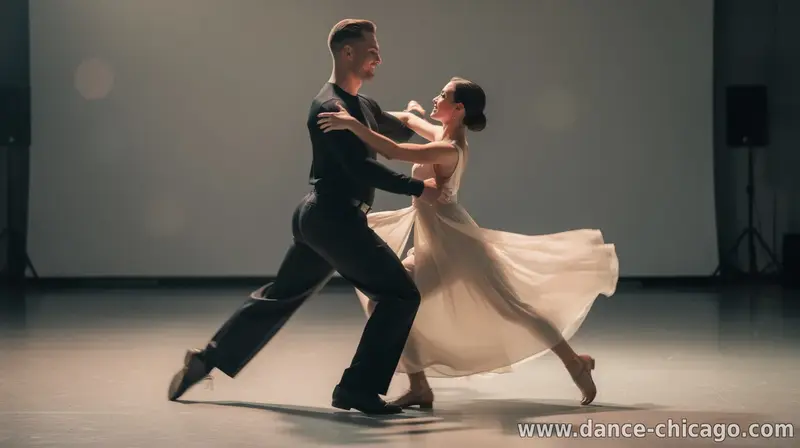
Dancing with a partner who’s notably taller or shorter than you is common, and it doesn’t have to limit your comfort or style. Whether you’re practicing ballroom, social dance, or partnered routines, the goal is the same: create a stable frame, keep your connection clear, and adapt your positioning so both bodies can move naturally.
Start by resetting your distance and “sweet spot”
Height differences often cause problems when you default to the same distance you’d use with someone your size. Revisit how close you stand or hold distance through your arms. With a taller partner, you may need to step slightly closer and soften your posture to maintain comfortable arm angles. With a shorter partner, stepping a touch farther back (or slightly offsetting your stance) can prevent your arms from reaching awkwardly high or low.
Adjust your frame: angles matter more than height
Instead of trying to “match” the other person’s arm level, aim for a balanced frame with consistent bend and tension. Taller partners typically benefit from slightly lower arm positions and a more grounded connection through the torso. Shorter partners often do better with a modest lift in posture—without locking the elbows—so the frame remains supportive and stable rather than stretched.
Think of your frame as a shape you maintain, not a fixed height. If the angle of your elbows and shoulders feels stressed, the frame likely needs to change.
Match footwork by calibrating stride and timing
Footwork can look misaligned when one partner’s natural stride is longer. The fix is to synchronize timing rather than forcing identical step lengths. Focus on landing together on the music beat or on shared cues, then adjust how far each person travels. For the taller partner, shortening stride and keeping steps more “compact” can help; for the shorter partner, slightly increasing step frequency (within comfort) can reduce gaps during turns and traveling moves.
When turning, watch the difference between rotating “around the frame” and stepping “across” the turn. You may need to prioritize rotation for both dancers while each adjusts foot placement so your center-to-center movement stays consistent.
Improve lead/follow clarity with smaller, earlier signals
With height differences, it’s easy for cues to travel inefficiently—especially when leads are transmitted through arms at unusual angles. Use earlier, clearer communication: slightly smaller motions in your hands but delivered with better timing. Leaders can emphasize torso direction and body alignment, while followers can focus on maintaining frame contact and responding to the earliest cue rather than waiting for a bigger arm signal.
If your dance includes multiple handholds, consider transitioning through the setup more deliberately so your connection is established before movement starts.
Finally, treat practice like a calibration session. Try the same basic move multiple times while adjusting only one variable at a time—distance, frame height, or stride length. After a few attempts, you’ll usually find a configuration where both partners feel stable, connected, and free to express style.
Related materials
Be the first to share your opinion with others.