
- 10/12/2026
- 168 Views
- Comment
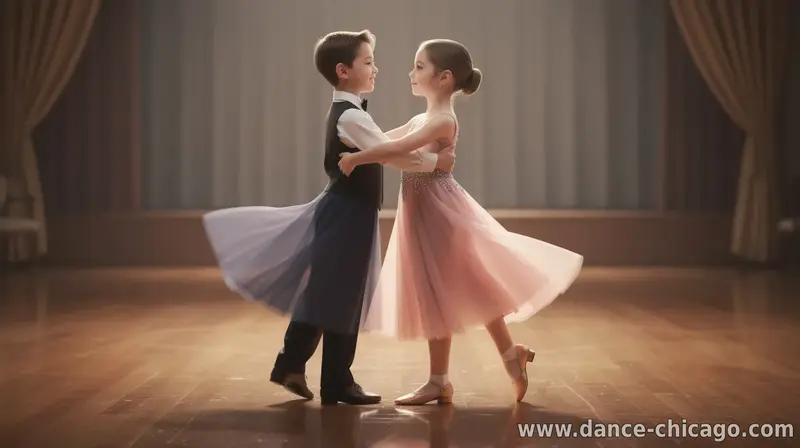
Ballroom dance may look elegant and grown-up, but for many early learners it offers something practical: a confident sense of self. In classes designed for children, young dancers practice in a structured, encouraging environment where progress is visible and effort is celebrated.
Unlike activities that focus only on speed or competition, ballroom routines emphasize control, rhythm, and connection with a partner. That approach can be especially helpful for children who are still learning how to manage nerves, follow directions, and feel comfortable in social settings.
Confidence grows through clear, repeatable progress
Ballroom instruction typically breaks movement into understandable pieces—basic steps, turns, posture, and timing. As children master one component at a time, they experience frequent “wins,” which can strengthen their belief that they can learn new skills. Over weeks and months, that steady progress often translates into greater confidence not only on the dance floor but also in everyday situations that require focus.
Positive feedback turns practice into a safe challenge
Children’s dance classes often use coaching that highlights what a student is doing well—such as balance, musicality, or consistency—before suggesting small improvements. This kind of feedback can help kids reframe mistakes as part of learning rather than evidence that they “can’t do it.” When the environment feels safe, children are more willing to try again.
Partnering builds social comfort and trust
Ballroom dance is inherently social: children practice coordination with a partner through guided holds and matched steps. For many young dancers, partnering offers an accessible way to develop social skills—listening, turn-taking, and communication—without the pressure of free-form interaction. As children learn to trust their partner’s cues and respond together, they may feel more secure in group settings.
Performance experience teaches “I can handle attention”
Even in casual class settings, children may occasionally share short routines with classmates. That repeated exposure to being watched can gradually reduce anxiety. Instead of viewing attention as a threat, kids can learn to treat it as a chance to demonstrate effort, express themselves, and move through a moment successfully.
For parents and educators, the benefits often show up in how children talk about challenges. A child who once avoided trying may begin to say things like “I’ll practice it,” or “Let’s do it again.” Confidence built through dance tends to be practical: it’s rooted in discipline, supportive relationships, and the experience of getting better over time.
As with any activity, results vary by child, class size, and teaching style. The biggest confidence boost tends to come when instruction is age-appropriate, encouragement is consistent, and students are given opportunities to learn at a comfortable pace—so that ballroom dance becomes not just a performance, but a foundation for self-belief.
Related materials
Be the first to share your opinion with others.