
- 10/12/2026
- 149 Views
- Comment
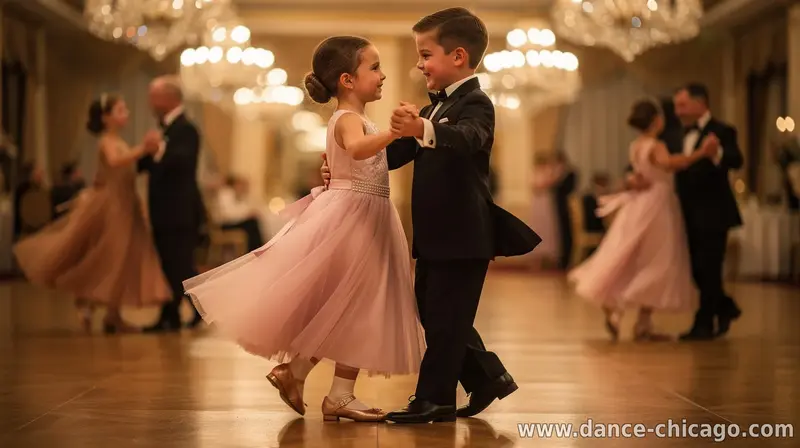
For some children, the hardest part of learning a new activity isn’t the footwork—it’s the moment they have to interact with others. Ballroom dance is increasingly used by families and community instructors as a confidence-building option, especially for children who describe themselves as shy or hesitant around peers.
Unlike free-form group games, ballroom routines offer clear expectations: where to stand, when to move, and how to follow a partner’s cues. That structure can reduce uncertainty, helping children feel safer enough to try again after mistakes.
Why the partner model can help
At the core of ballroom practice is a shared experience. A child doesn’t have to “lead” every time or perform alone; instead, they learn a back-and-forth rhythm—often with roles that can rotate. Instructors typically teach how to maintain comfortable spacing, respond to simple signals, and enjoy small successes during each repetition.
For shy kids, this can translate into less pressure. When social interaction is embedded in a routine—such as a repeated pattern of steps—kids can focus on technique rather than self-consciousness. Over time, the predictability can make new social situations feel more manageable.
What to look for in a kid-friendly program
Not all dance classes are equally supportive for anxious or reserved learners. Parents and caregivers are encouraged to look for instructors who emphasize patience, positive reinforcement, and gradual exposure to group settings. Sessions that begin with partner “warm-up” activities and include clear demonstrations can help kids build comfort before adding complexity.
Good programs also provide options: short practice bursts, step-by-step coaching, and consent-based pairings when possible. If a child seems overwhelmed, classes that allow temporary breaks and re-entry without embarrassment can make a noticeable difference.
Equally important is the learning environment. Kind feedback, consistent expectations, and peer culture matter—kids should feel that mistakes are part of progress, not reasons to withdraw.
Confidence grows through repeatable wins
Ballroom confidence doesn’t typically come from one big performance moment. It builds through repeatable wins: remembering a basic step, making eye contact without freezing, or completing a full sequence with a partner. In many classes, children track progress through badges, short demonstrations, or informal show-and-share moments that don’t require public performance.
Even when kids are working with the same partner, they’re practicing social skills—timing, attention, and turn-taking—under conditions that feel supportive rather than evaluative. Those skills can carry over into playground interactions, school group activities, and family gatherings.
Tips for families before and after class
Parents can help shy kids get the most out of partner-focused dance by keeping expectations realistic. Before class, a simple plan—like arriving early to settle in, identifying the teacher’s help point, and encouraging a “try one thing” mindset—can reduce first-day anxiety.
- Use neutral language: focus on “practicing steps” rather than “performing.”
- Celebrate effort daily, not just outcomes (e.g., “you stayed with the routine”).
- Practice one short move at home to reinforce familiarity and comfort.
- Ask specific questions after class: “What step felt easiest?”
- If needed, start with shorter sessions or beginner levels designed for kids.
After class, brief reflection can help children internalize confidence. A caregiver might suggest a small goal for the next session—something attainable, such as learning a new turn or partnering calmly for an extra pattern.
For shy kids, ballroom dance can be more than an extracurricular choice—it can be a safe training ground for courage. By combining structured routines with supportive partner work, many children find that social connection feels less intimidating, one steady step at a time.
Related materials
Be the first to share your opinion with others.