
- 10/12/2026
- 175 Views
- Comment
Ballroom dance can be a wonderful way for kids to build confidence, coordination, musicality, and social skills. But parents often ask the same question: what is the best age to start? While early exposure can help, the most important factor is whether a child is ready for structured learning in a fun, age-appropriate environment.
Most kids begin: ages 5–8
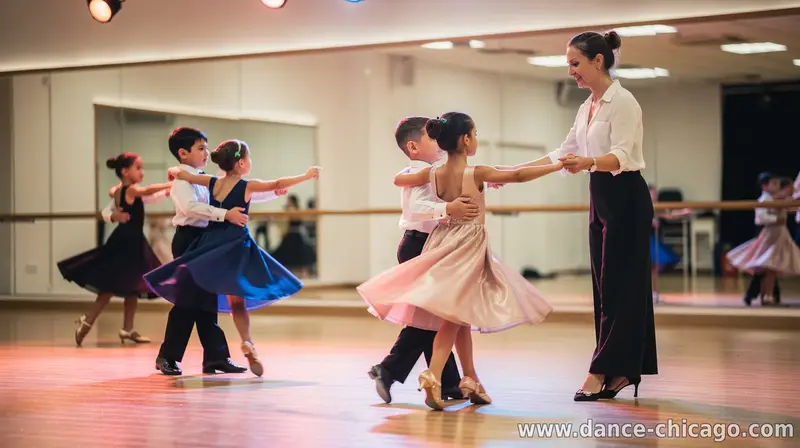
For many children, the sweet spot is around 5 to 8 years old. At this age, most kids can follow simple directions, maintain attention long enough for a lesson, and learn basic movement patterns without feeling overwhelmed. Class formats at this stage also tend to emphasize play, rhythm, and coordination—key building blocks for later technique.
If your child is curious and enjoys music and movement, starting in this range often leads to steady progress without forcing maturity they don’t yet have.
What about younger kids (ages 3–4)?
Children under 5 can sometimes start with pre-dance or rhythm-based classes rather than formal ballroom training. At ages 3–4, kids are still developing balance, spatial awareness, and the ability to hold technique-focused attention. The best option is usually a playful program that prioritizes:
- basic steps and marching to music
- turn-taking and group comfort
- simple movement games that build coordination
- short class lengths and lots of positive reinforcement
In other words, “start the journey” can begin early—even if “ballroom technique” comes later.
Starting at school age (ages 9–12)
If you start between 9 and 12, it’s still very workable. Older kids can often grasp rules, posture concepts, and partner basics faster. However, you may need a slightly more tailored approach depending on their physical readiness and confidence level.
Some children begin later because of schedules or sports commitments; in many cases, they catch up well when the program is patient and beginner-oriented.
Teen and beyond: motivation matters most
Many teenagers and adults start ballroom dance successfully for fitness and social fun. For kids who start later in adolescence, the “best age” shifts toward readiness—especially willingness to learn partner work respectfully and consistently practice at home if needed.
While earlier exposure can make certain coordination easier, it doesn’t determine outcomes. Strong coaching, consistent attendance, and a growth mindset often matter more.
How to tell if your child is ready (regardless of age)
Instead of focusing only on numbers, look for signs of readiness. Your child is likely a good candidate when they can:
- follow 1–2 step instructions most of the time
- enjoy music and move with the beat
- show basic balance and willingness to try new movements
- stay engaged for the length of a typical class
- handle partner practice with kindness and patience
Also consider your child’s temperament. Some kids thrive in group settings quickly; others need a slower ramp-up with smaller classes or private lessons before they join a larger group.
What to expect in beginner classes
Regardless of starting age, effective beginner ballroom programs keep expectations realistic. Early lessons usually focus on:
- posture and basic frame concepts (in kid-friendly ways)
- learning fundamental steps and timing
- rhythm, direction changes, and coordination
- introducing partner basics gradually
- building stage confidence through friendly performance opportunities
Good teachers adapt instruction to the age group, so a 6-year-old isn’t taught the same way as a 12-year-old—even if they dance the same style.
Choosing the right program
When you’re shopping for classes, prioritize coaching that feels encouraging and structured. Look for a studio that offers beginner tracks, short-term goal setting, and clear safety/etiquette guidelines for partner work. It’s also helpful if the teacher can explain how they adapt lessons for different ages and learning speeds.
Before committing, attend a trial class and observe whether your child enjoys the environment, receives positive feedback, and learns at a pace that doesn’t feel pressuring.
Bottom line: For most kids, ages 5–8 are a practical starting point for ballroom dance, while younger children can begin with pre-dance or rhythm-focused classes. The “best age” is ultimately when your child is ready to learn, have fun, and stick with practice—because consistency and enjoyment drive the biggest long-term results.
Related materials
Be the first to share your opinion with others.