
- 10/12/2026
- 266 Views
- Comment
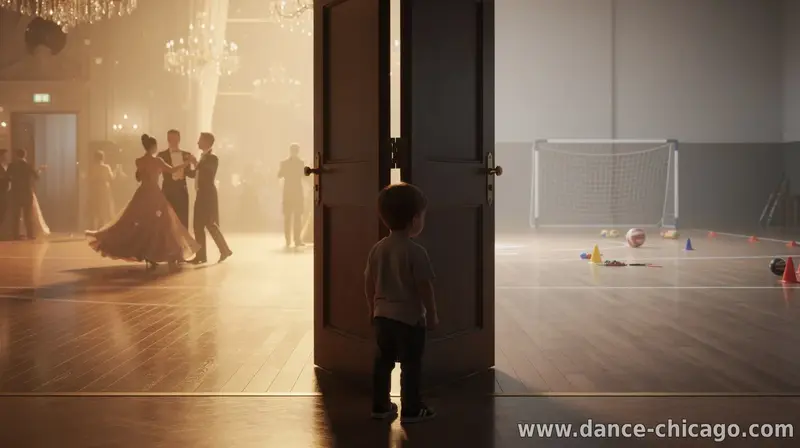
For many families, the decision isn’t just “dance or sports,” but which activity best supports a child’s development—physically, socially, and emotionally. Ballroom dance stands out for its blend of athletic training and close partner communication, while other sports may emphasize speed, endurance, teamwork, or direct competition.
The best choice depends less on which activity is “cooler” and more on what your child enjoys and what kinds of challenges help them grow.
Ballroom dance: structured movement and partner skills
Ballroom dance typically combines rigorous technique work with rehearsed routines. Children practice posture, balance, coordination, rhythm, and controlled movement—often in a structured environment with clear progress benchmarks (steps, patterns, and choreography). Because dance is partnered, kids also build social skills like turn-taking, following cues, maintaining space, and collaborating respectfully.
For some children, the clear structure and repeatable skill-building make it easier to build confidence. For others, the “performance” aspect can be motivating when paired with supportive coaching.
Team sports: social belonging and game-time problem solving
Sports like soccer, basketball, or hockey can offer strong opportunities for teamwork and belonging. Kids learn communication, strategy, and how to respond to changing situations during games. The pace and intensity can also be engaging for children who prefer action and competition.
However, not every child thrives in high-pressure environments, especially if playing time or performance metrics feel harsh. If your child tends to get anxious in group settings, a team sport may need careful selection—such as a local program with good coaching culture and equitable development.
Individual sports: autonomy, focus, and measurable progress
Individual sports such as swimming, tennis, gymnastics, martial arts, or track can emphasize self-discipline and personal improvement. These activities often provide frequent chances to see progress through times, scores, rounds, or skill tests.
For children who prefer independence or who learn best with personal routines, individual sports can be a great fit. The trade-off is that kids may have fewer built-in social interactions than in dance studios or team leagues—though many programs still offer community and group classes.
How to choose: match temperament, goals, and coaching
Instead of comparing activities by popularity, evaluate fit across three categories: enjoyment, developmental benefits, and the program’s coaching environment. Start by asking your child what feels fun and challenging in a good way—not just what sounds impressive.
Then look for a supportive coaching style. Great programs in any discipline share similar qualities: age-appropriate instruction, encouragement over humiliation, safe training practices, and clear pathways for skill growth. If you’re deciding between ballroom dance and other sports, a trial class or “starter session” can quickly reveal whether your child feels comfortable and motivated.
A simple decision checklist for parents
If you want a quick way to narrow choices, consider the following:
- Needs social connection: ballroom dance or team sports may feel more engaging.
- Enjoys structured routines and technique: dance or skill-based programs like gymnastics/martial arts often fit well.
- Prefers action and competition: team sports or high-intensity individual sports may match their energy.
- Gets stressed by pressure: look for beginner-friendly classes, slower progression, and coaches who prioritize confidence.
Ultimately, the “best” choice is the one your child will attend consistently and feel proud of—because long-term engagement matters more than perfect alignment on day one.
If you can, choose a low-cost trial period, set a short evaluation window (for example, 4–8 weeks), and talk about how your child feels before and after practice. Their answers—confidence, enjoyment, and willingness to go—are often the clearest indicator of whether ballroom dance or another sport is the right next step.
Related materials
Be the first to share your opinion with others.