
- 09/20/2026
- 119 Views
- Comment
Walking into your first ballroom dance class can feel intimidating, but your outfit doesn’t have to be. The best clothing for ballroom is the kind that supports your movement, stays comfortable through turns and steps, and makes it easy for a partner to guide you.
While each studio may have its own preferences, most instructors care more about fit and flexibility than style. Think “mobility first,” then add shoes and accessories that help you perform and feel secure.
Wear what moves well (and fits close to the body)
Ballroom requires lots of controlled footwork, posture, and turning. For clothing, prioritize fabrics with a bit of stretch and a silhouette that won’t snag. Avoid anything too bulky around the knees, hips, or waist, since it can hinder leg action or create drag during rotations.
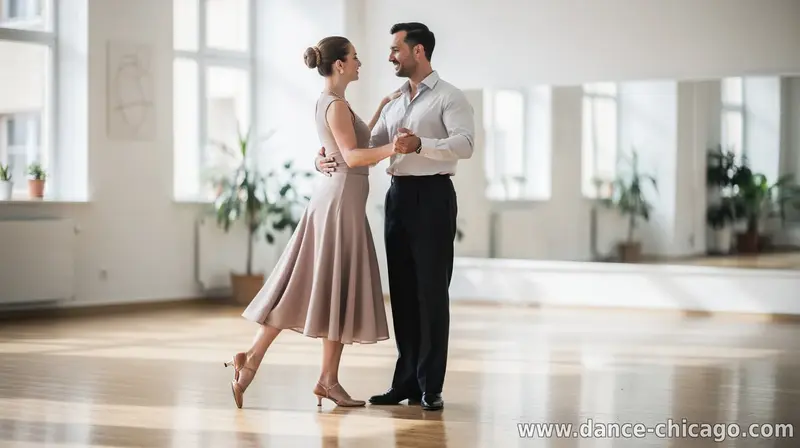
Good options typically include fitted tops, leggings or straight-cut dance pants, or a simple dress/skirt with movement that doesn’t flare excessively. If you’re wearing a dress or skirt, make sure it falls in a way that supports your stride without tripping you.
Choose the right shoes for traction and floor contact
Shoes are the biggest factor for comfort and safety. Ballroom classes usually take place on sprung floors or smooth studio surfaces, so you need footwear that provides reliable grip without being overly sticky or slippery.
If you’re in a beginner class and you’re not sure what the studio expects, bring clean, dance-appropriate shoes. For men, that often means leather or supportive dance shoes. For women, ballroom-appropriate practice shoes (low heels are common for beginners) are usually ideal. The key is that your shoes should feel stable with good control and not cause pinching or slipping.
Make sure your clothes won’t interfere with movement
During ballroom, your partner connection relies on smooth movement and consistent posture. Anything that shifts, rides up, or flaps can pull focus and disrupt your frame. Consider the following quick checks before class: sleeves that won’t slide around your arms, hems that won’t catch on your shoes, and clothing that won’t cling so tightly it restricts breathing or motion.
If you’re wearing a long skirt, pick one with enough freedom to step cleanly but not so much fabric that it wraps around your legs. If you’re wearing a patterned or slippery fabric, make sure it doesn’t cling and twist as you rotate.
What to avoid for your first session
Some items can make it harder to learn and can create safety issues. Avoid shoes with worn soles or too much tread that grabs the floor unpredictably. Also skip outfits that are too casual in a way that affects motion—like stiff jeans—or too casual in a way that reduces traction and control.
Try not to wear accessories that dangle near your feet (like loose anklets) and avoid anything that might catch during turns. If you’re bringing a bag, keep it out of your way so you’re not stepping around it or worrying about it while you practice.
Bring confidence with small extras
Even if you don’t have a full ballroom wardrobe yet, a few practical items can make class easier. Consider bringing a hair tie or pins (so your hair stays secure), deodorant or a small towel if the studio runs warm, and a light layer you can adjust if the room is chilly.
If your studio offers guidance on attire, follow it—some schools have specific recommendations for shoes and practice wear. When in doubt, ask the instructor or front desk what beginners typically wear, and aim for a look that helps you move comfortably.
With the right outfit—comfortable, fitted, and paired with stable dance shoes—you’ll be able to focus on learning the basics: posture, timing, and connection. Your first class is about getting started, not looking perfect.
Related materials
Be the first to share your opinion with others.