
- 10/20/2026
- 223 Views
- Comment
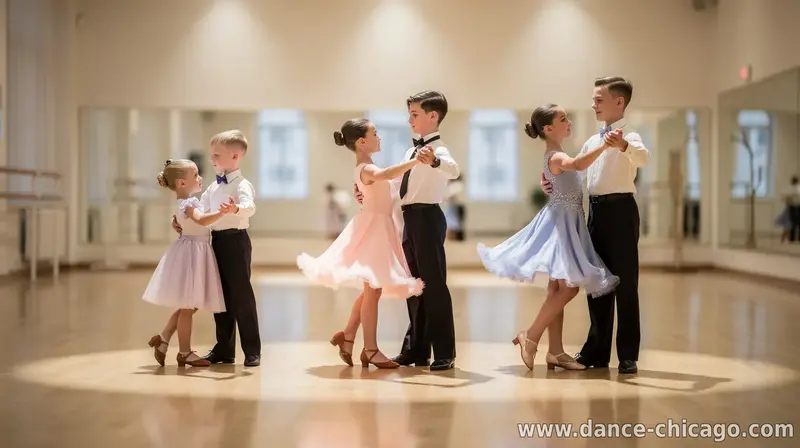
Choosing when to start ballroom dance often comes down to readiness rather than a specific number. While many instructors welcome children as young as 4, others recommend waiting until closer to age 6 for easier structure and longer focus. For kids who want faster skill building or a more competitive pathway, starting around 8 can also be a strong option.
So which is best—4, 6, or 8 years old? The answer is: the best age is the one that matches your child’s maturity, coordination, and ability to follow directions in a group setting.
Age 4: Great for early movement, if the class is truly child-focused
Starting at 4 can be ideal if your child enjoys movement and games, and the studio offers a developmentally appropriate program. At this age, children generally learn best through imitation, playful rhythms, and short attention-based activities. Many kids pick up basic footwork and posture quickly when lessons are energetic and supportive.
That said, the challenge is consistency: attention span and impulse control can vary widely at age 4. If the class is geared toward older students or requires longer periods of correction and repetition, your child may struggle to stay engaged.
Best fit if: your child is enthusiastic about dancing, can follow simple directions, and the studio offers beginner classes designed for preschoolers.
Age 6: Often the “sweet spot” for structure and steady progress
For many families, age 6 is the most balanced choice. At this stage, children typically have better body control, coordination, and the stamina to practice technique. They also tend to handle structured learning more comfortably—listening, remembering steps, and refining details with less frustration.
Ballroom dance fundamentals like frame (arm and posture position), timing, basic turns, and partner awareness become easier to grasp at this age. Students are also more likely to benefit from regular practice because they can understand what “good technique” feels like and why it matters.
Best fit if: your child is ready for group instruction, enjoys practice, and you want a clear skill progression without waiting too long.
Age 8: Strong for long-term fundamentals and competitive readiness
Starting at 8 can be an excellent option—especially if your goal is structured skill development and potentially participating in showcases or competitions. By age 8, many children have more reliable coordination and the ability to absorb coaching feedback. They often progress quickly once they understand the difference between memorizing steps and executing them with correct timing and posture.
However, there’s a trade-off: you may have missed some of the “early comfort” with rhythm and movement that younger kids develop naturally. The good news is that many studios run beginner programs specifically for older first-time dancers, and children at 8 can still build strong technique when they practice consistently.
Best fit if: your child is motivated, ready for frequent practice, and you want a faster path to polished fundamentals.
How to decide: a quick readiness checklist
If you’re weighing 4 vs 6 vs 8, consider what matters most for ballroom dance learning: attention, coordination, musical timing, and comfort with partners. A trial class is the fastest way to assess readiness, but these indicators can help too.
- Focus: Can your child follow directions for 30–45 minutes (or handle a shorter preschool class well)?
- Coordination: Can they balance, move rhythmically, and repeat simple patterns without too much confusion?
- Musical timing: Do they clap or move along to music naturally?
- Learning style: Do they respond better to play-based cues (common at 4) or structured technique feedback (often at 6–8)?
- Motivation: Will they want to practice at home between lessons?
Studios differ, too. Some offer “multilevel” beginner paths, while others schedule more rigid age group tracks. The best class for your child is the one that matches the studio’s teaching approach to their developmental stage.
Bottom line: If your child is under 6 and genuinely loves movement, a high-quality preschool-focused ballroom program can make age 4 a great start. If you want the most reliable blend of structure and progress, age 6 is often the sweet spot. If your child is older and ready to work toward refined fundamentals, age 8 can be an excellent launch point.
Whichever age you choose, prioritize a studio that teaches posture, rhythm, and partner awareness in a child-appropriate way. With the right environment, children can build strong ballroom foundations starting at any of these ages.
Related materials
Be the first to share your opinion with others.