
- 10/20/2026
- 213 Views
- Comment
Walking into your first dance lesson can feel like a big moment—what you wear matters less than showing up, but the right outfit can help you move confidently and stay comfortable through the entire session.
In general, look for clothing that lets you bend, stretch, and turn without riding up, restricting your legs, or causing you to overthink adjustments. Dance teachers often prioritize safety and mobility, especially when you’re learning basic footwork and posture.
Clothing: comfort, flexibility, and easy movement
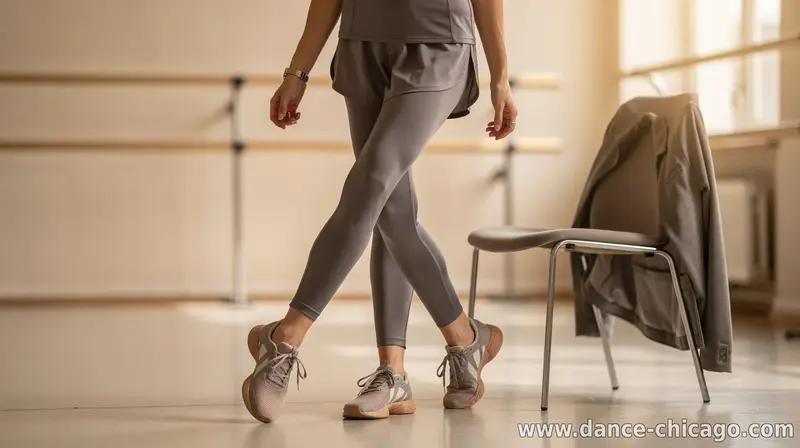
Start with layers and materials that move with you. Leggings, fitted joggers, dance shorts, or stretch skirts are common choices because they support a full range of motion. For tops, a fitted T-shirt, tank, or performance tee is usually ideal—especially if the class involves spins or arm patterns.
Avoid anything that’s too bulky around the wrists, waist, or hips. Loose sleeves, heavy sweaters, or long dresses may get in the way of footwork or cause you to pull at clothing during practice. If you prefer looser styles, choose breathable fabrics and ensure nothing falls into your line of movement.
Shoes: match the dance style and the lesson’s surface
Footwear depends on the type of dance and what your studio requests. For many beginner classes—especially social dances—teachers may recommend learning with specific shoes that provide grip and stability.
In general terms, consider:
- Street shoes: Typically not ideal for turning, pivoting, or sliding cleanly—unless the studio specifically allows them.
- Clean, supportive sneakers: Often a safe fallback for beginners in general movement classes.
- Dance shoes: Common for styles that require specialized traction or foot articulation.
- Bare feet (when allowed): Some studios and styles prefer it, but follow the class guidance to avoid injury or slipping.
If you’re unsure, email the studio or bring your preferred options and ask what’s best during the first session.
Hair, accessories, and “no surprises” essentials
Secure your hair away from your face, particularly for partner work or choreography that involves repeated turns. A simple hair tie or clip is usually enough, but choose something sturdy—nothing that slips out mid-practice.
Keep accessories minimal. Avoid dangly earrings, long necklaces, or anything that could swing, catch, or distract. If you want a watch or bracelet, make sure it won’t interfere with arm styling or hand positioning.
Bring a small water bottle and consider a light layer for before/after class. Studios can vary in temperature, and you may warm up quickly once movement starts.
Quick checklist for your first lesson
Before you head out, do a simple check: can you comfortably squat, lunge, and reach overhead? Do your shoes feel secure? Is your outfit unlikely to shift during movement?
When in doubt, choose a “comfort first” outfit and footwear that provides good support and predictable grip. The goal of your first lesson is to learn—dressing appropriately will help you do that with less stress and more confidence.
Related materials
Be the first to share your opinion with others.