
- 09/22/2026
- 180 Views
- Comment
Attending a children’s dance competition is exciting—but getting dressed can be stressful. The best outfit balances competition rules, movement, comfort, and a polished look on stage.
Start by checking the competition’s costume guidelines. Many events specify acceptable fabric types, coverage, footwear, and whether costumes must match the routine’s theme. If there’s a dress code, follow it first; styling ideas come second.
Comfort and mobility first
Dancewear should move with the child—no pinching, sagging, or fabric that rides up during turns and jumps. Choose breathable materials, secure closures (like elastic or low-risk fastenings), and comfortable waistlines. For active routines, avoid anything stiff or overly heavy that could restrict movement.
Stage-ready styling
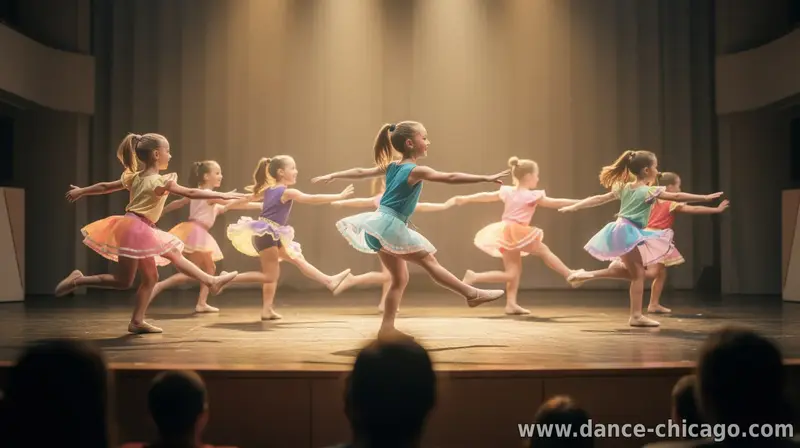
On stage, costumes often look different than they do at home due to lighting. Bright, clear colors and secure details help the outfit read well from the audience. Still, keep the design age-appropriate and practical for the child to wear confidently, especially if they’ll be changing or warming up before performing.
Footwear depends on the dance style. Ballet commonly uses appropriate ballet shoes or slippers, while jazz may require jazz shoes. Hip-hop routines often use sneakers designed for dance. If you’re unsure, ask the instructor what’s allowed for that specific competition category.
Hair and accessories matter for safety and performance. Use hair ties, pins, or clips that can be relied on during fast movement. Avoid loose accessories that could come off and distract or create safety risks. If the costume includes decorative pieces, check they’re firmly attached.
Pack a small “competition day” kit to prevent last-minute surprises: extra hair ties/clips, safety pins (if permitted), a lint roller or small brush, deodorant-safe wipes, and any costume-friendly tape or adhesive your instructor recommends. Bring a way to keep the child warm between rounds, such as a light layer that can be removed quickly.
Finally, involve the child in choices that affect comfort—especially how the outfit feels while stretching and moving. A costume that’s “beautiful but uncomfortable” can quickly affect performance. With the right fit and a stage-appropriate look, the child can focus on technique and timing.
Related materials
Be the first to share your opinion with others.