
- 10/20/2026
- 313 Views
- Comment
Walking into a ballroom dance class with the right outfit helps you feel confident, move comfortably, and focus on technique rather than adjusting your clothes. While dress codes vary by studio, most classes reward practical choices that support balance, footwork, and a full range of motion.
1) Shoes: prioritize grip, support, and the right sole
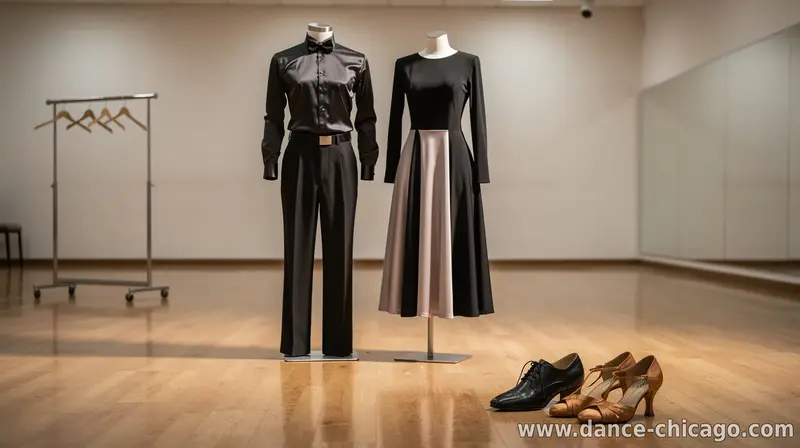
Most beginners benefit from dance shoes or footwear designed for movement. For practice, studios often prefer split-sole or smooth-soled shoes for consistent traction and controlled sliding. If you’re learning standard ballroom, you may wear low- to mid-heel dance shoes; for latin or rhythm-style classes, many dancers choose flexible shoes that allow quick foot articulation.
If you’re unsure, ask the studio what’s acceptable—some locations require specific shoe types for floor safety and technique. Avoid shoes with worn soles or heavy tread, and skip stiff sneakers unless the instructor approves.
2) Clothing: breathable, stretchy, and movement-friendly
Ballroom motion involves turning, stepping, and maintaining posture, so clothing should move with you rather than restrict you. Look for breathable fabrics such as cotton blends, moisture-wicking materials, or lightweight knits. Stretch is your friend: tops and skirts that can move comfortably help you practice arm lines and hip action without bunching.
For men, fitted or comfortably athletic shirts (tucked if the studio prefers) and tailored trousers or dance pants usually work well. For women, dresses, skirts, or fitted tops paired with dance shorts/leggings under layers are common choices—especially styles that allow clean movement without slipping.
3) Underlayers and practical details matter
Because ballroom practice includes many turns and partnered holds, consider supportive undergarments that stay in place. A supportive bra or well-fitting camisole can prevent wardrobe shifts during spins. If you’re wearing a skirt or dress, bike shorts or dance shorts can add comfort and coverage while keeping your look smooth.
Accessories should be minimal and secure. Long, dangling jewelry can interfere with turns and arm styling, so choose smaller pieces or skip them until you know the studio’s preference.
4) Hair and overall presentation: secure and functional
Tie hair back if it’s shoulder-length or longer, using a style that won’t loosen during movement. For classes, aim for a clean, stable look—especially if mirrors or partner practice are involved. If you use pins or clips, make sure they’re comfortable and won’t snag.
Consider bringing a small backup item (a hair tie, deodorant, or a lint remover) in case your outfit needs quick adjustments before class.
Quick checklist before you leave:
- Dance-appropriate shoes (or ask the studio what’s required)
- Breathable, stretchy clothing that won’t restrict turning
- Supportive underlayers that stay in place
- Minimal, secure accessories
- Hair secured and unlikely to shift during spins
If you tell the studio you’re new, instructors are usually happy to guide you on shoe type and outfit expectations. The best outfit is the one that lets you practice safely and comfortably while you build rhythm, posture, and footwork.
Related materials
Be the first to share your opinion with others.