
- 09/20/2026
- 152 Views
- Comment
Walking into your very first ballroom lesson can feel exciting—and a little intimidating. The good news: most studios design early classes to be welcoming for beginners, with clear guidance, low-pressure practice, and plenty of time to ask questions.
While the exact format varies by school and dance style, your first session will typically focus on the foundations: posture, balance, timing, and the basic communication between partners. Here’s what you can generally expect, from the moment you arrive to the moment you leave.
Check-in, setup, and a quick introduction
When you arrive, you’ll usually check in and meet your instructor. Many classes begin with a brief overview of what to learn that day and how the lesson will run. If you’re new, don’t be surprised if the instructor asks about your experience level—then adjusts the pace accordingly.
You’ll also be pointed toward what to wear and how to move safely in the practice space. Even if you don’t have the “perfect” shoes yet, beginners are commonly accommodated. The goal is comfort and correct technique over fancy gear.
Warm-up: posture, frame, and footwork basics
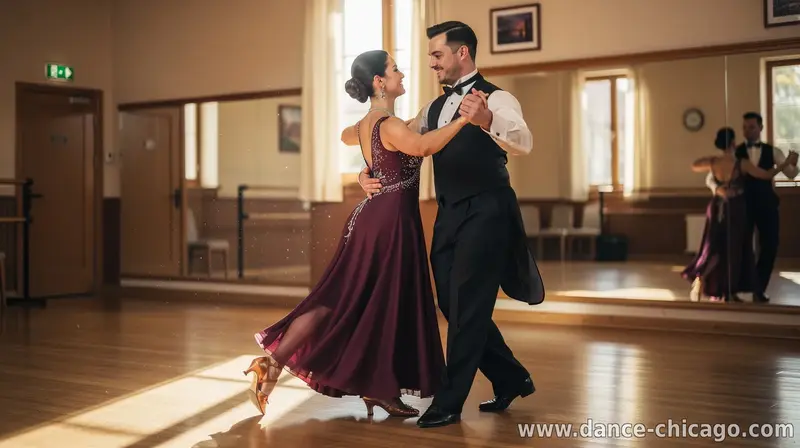
Ballroom starts with the body: how you hold yourself and how you move. Expect warm-ups that focus on posture and balance—often practicing a comfortable stance, stepping patterns, and the idea of “staying connected” with your partner.
Instructors may also demonstrate the difference between simple walking and dance timing. You’ll likely practice small movements first, so you can learn the rhythm without worrying about complicated choreography.
Learning to lead and follow (even if you’re unsure of your role)
One of the biggest goals of early ballroom lessons is partner communication. You can expect guidance on how the leader indicates direction and timing, and how the follower responds with alignment and confidence.
If you’re not sure whether you should lead or follow, many beginner classes will rotate roles or explain both sides. The instructor will typically emphasize that it’s normal to feel “out of sync” at first—and that improves quickly with repetition.
Practicing with partner drills, not just dancing
Rather than spending the entire class on a full routine, your first lesson usually includes short partner drills. These might include practicing basic step sequences, turning technique, or coordinating timing to simple counts.
You’ll often switch partners so you can meet different styles of leading and following, learn common patterns, and build adaptability. If you prefer to stay with one partner, some studios can accommodate—just ask ahead.
Feedback you can actually use
Expect frequent, specific feedback from your instructor. Early corrections tend to be about fundamentals: keeping your frame steady, taking steps at the right size, maintaining proper spacing, or improving how you transfer weight.
Good instructors also reassure beginners. Instead of focusing on “mistakes,” they’ll frame corrections as normal adjustments—something that will make your next attempt smoother.
Wrap-up: what to practice before your next class
Most first lessons end with a short review of what you learned and how to apply it next time. You may be given suggestions for practice—like repeating a simple step pattern, focusing on posture at home, or listening for rhythm so you can anticipate the beat.
By the end, you should feel like you understand the basics: how the music is counted, how to hold your posture, and how to cooperate with a partner. That’s the real win of your first ballroom lesson.
Quick tips for feeling confident
If you want your first class to go smoothly, keep these in mind:
- Arrive a few minutes early so you can get comfortable and ask questions.
- Wear shoes that feel stable; if you’re unsure, ask the studio what’s best for beginners.
- Expect repetition—early ballroom training prioritizes fundamentals over complexity.
- Communicate with your partner; a simple “I’m new” helps everyone stay patient and aligned.
- Don’t compare—everyone starts at the same place in their first few lessons.
Your first ballroom lesson isn’t about looking perfect—it’s about learning how ballroom works: posture, rhythm, and partner connection. Once you’ve gone through the initial learning curve, you’ll be ready to build momentum toward smoother turns, stronger frames, and more confident dancing.
Related materials
Be the first to share your opinion with others.