
- 10/12/2026
- 256 Views
- Comment
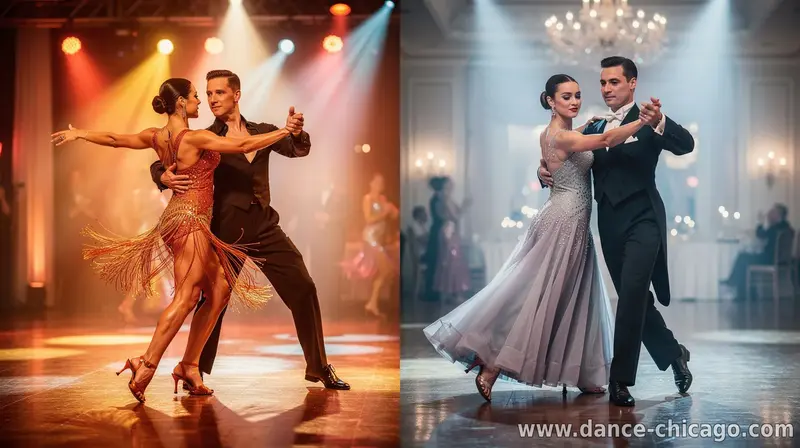
Latin and Standard are two of ballroom dance’s most recognizable categories, but they feel dramatically different in the body and in the music. Before you commit to lessons—or enter competitions—consider what you want from your dancing: energy and expression, or line, posture, and controlled elegance.
Below is a practical way to choose the track that best fits you.
1) Music and mood: fast-fire flair vs. classic flow
Latin dances such as samba, cha-cha, rumba, paso doble, and jive are typically driven by rhythmic intensity and playful intensity. Many dancers are drawn to Latin for its emphasis on stylization, accents, and “big” character moments.
Standard dances—waltz, tango, foxtrot, quickstep, and viennese waltz—often feel more continuous and sweeping, with a focus on sustained lines and musical phrasing. If you enjoy classic, gliding movement and a more structured sense of timing, Standard may feel more natural.
2) Technique focus: body action vs. frame and lines
Latin technique usually prioritizes hip action, grounded footwork, and clear rhythmic styling. You’ll spend more time working on isolations, articulation, and the “bounce” that makes Latin steps look alive—even at slower tempos.
Standard technique leans heavily on posture, balance, and connection through a stable frame. Progress often depends on controlled rise and fall, smooth traveling action, and consistent body alignment across patterns.
3) What to expect in lessons: quicker wins vs. sustained mastery
Many newcomers find Latin’s physical feedback fast to recognize: you can feel the rhythm in your hips and shoulders early, which makes early practice exciting. Standard can feel more “technical” at first because the learning curve includes maintaining posture and coordinated partner connection throughout extended phrases.
That said, both tracks develop stamina, coordination, and partnership skills. The main difference is whether your motivation comes from rhythm and character (Latin) or line and continuity (Standard).
4) Competition and social dancing: choose your comfort
If you’re aiming for events and competitions, decide what kind of performance you want to build. Latin often rewards bold styling and sharper contrasts between movements. Standard rewards consistency, cleanliness of shape, and precise movement quality.
If your goal is primarily social dancing, the “right” choice is often the one you’ll practice regularly. Pick the track whose music you naturally want to move to—motivation matters more than theoretical preference.
Quick self-check: If you’re energized by percussive beats and expressive styling, start with Latin. If you’re drawn to smooth travel, elegant posture, and longer musical lines, start with Standard.
Best next step: Try one beginner class in each track. Pay attention to how you feel during the warm-up, your comfort with partner connection, and whether you look forward to practicing the next week. The track that creates momentum is usually the right one.
Related materials
Be the first to share your opinion with others.