
- 10/12/2026
- 184 Views
- Comment
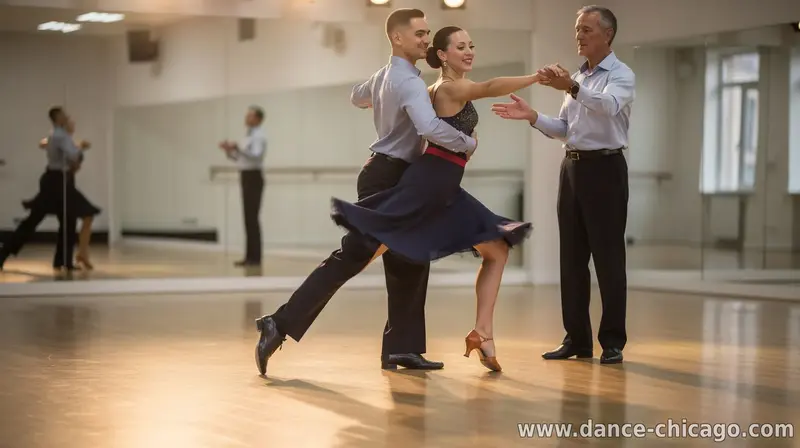
Quickstep is a ballroom dance that blends the light, driving energy of fast foxtrot with a distinctly upbeat feel. Performed in standard ballroom hold, it typically features quick timing, flowing movement, and a characteristic sense of “skimming” across the floor rather than heavy stepping.
In competitions and social dancing, quickstep stands out for its speed, showy lines, and momentum. Many dancers describe it as both crisp and effortless—qualities that take practice, especially at beginner level.
What makes quickstep different?
The quickstep rhythm is usually taught as a lively pattern with an emphasis on forward motion and clean timing. Unlike some dances that feel more grounded, quickstep encourages a smooth rise and a strong “release” into steps—helping the dance look continuous even when the footwork changes quickly.
Common elements beginners may encounter include basic forward and backward actions, turning variations, and traveling figures that build speed safely. Teachers often focus first on posture, frame, and timing before adding complex choreography.
Is quickstep right for beginners?
Quickstep can be a great choice for beginners who enjoy energetic music and want a dance with clear structure and variety. It’s especially appealing if you like dancing in pairs, learning counts, and gradually building confidence with turning and traveling sequences.
That said, it’s not the easiest ballroom dance to learn quickly. Because it’s fast and visually demanding, beginners may find it challenging to coordinate footwork, maintain consistent partner contact, and keep timing accurate as speed increases.
A helpful rule of thumb: if you’re already comfortable with basic steps and can follow rhythmic counts without rushing, quickstep is likely worth trying. If you’re still working on basic balance, frame, or staying on tempo, you might benefit first from slower foxtrot, waltz, or beginner rhythm-focused classes.
What to expect in early lessons
Most beginner quickstep classes start with fundamentals that make the dance look “right” even before you move fast. Expect instruction on body alignment, how to share weight with a partner, and how to keep movements smooth rather than choppy.
- Basic ballroom posture and partner frame
- Timing drills for quickstep’s rhythm
- Simple forward, backward, and turning sequences
- Traveling steps with controlled acceleration
- Floorcraft tips for staying organized in a social space
As you improve, teachers typically introduce more movement continuity and turning options, helping you maintain balance while increasing speed.
Tips to learn quickstep faster
Focus on quality over speed. Beginners often improve dramatically by prioritizing consistent posture and clean foot placement before trying to “match the pros.” Practicing counts (even without full steps) can also make in-class learning smoother.
Pick the right environment: a class with a patient instructor, clear coaching, and appropriate music tempo helps. Wearing supportive dance shoes and practicing in a space that allows you to move safely can reduce frustration and help you learn confidence.
Finally, remember that quickstep is usually a progression. Many dancers spend time building control first, then gradually add speed and flair.
Quickstep may be a perfect match if you’re motivated by fast, musical movement and you enjoy learning in a partner setting. With the right fundamentals and realistic expectations, beginners can absolutely get started—and soon discover why quickstep is one of ballroom’s most exhilarating dances.
Related materials
Be the first to share your opinion with others.