
- 09/20/2026
- 10 Views
- Comment
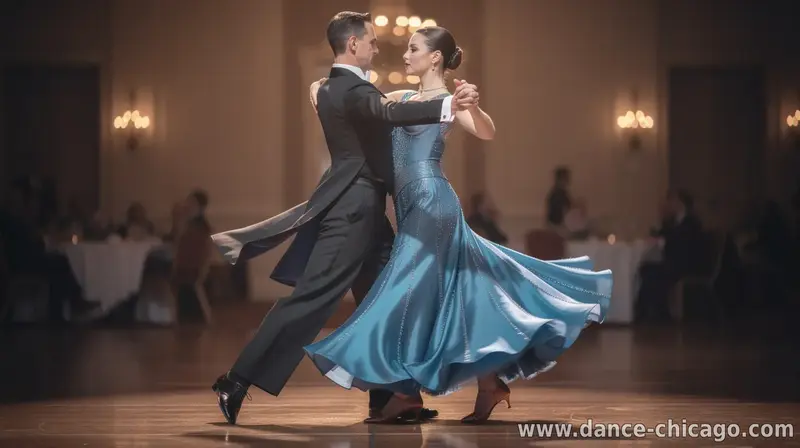
In ballroom dancing, the term frame describes the overall physical structure you maintain through your posture, arms, and connection. It’s the “container” that holds your movement so it travels cleanly and looks intentional—on the floor and in the camera’s view. In short: technique can be taught, but a consistent frame is what makes technique readable.
Most dancers are already working with frame in some form—often without using the word. You may notice it when a partner’s shoulder and arm position stay steady during turns, or when your own body feels “organized” rather than floppy or collapsed. That organized feeling is the frame doing its job.
Frame is more than posture
Frame is sometimes mistaken for “standing up straight,” but it’s not a single rigid position. A good frame is alive: it supports movement while staying stable. That means your spine maintains length, your shoulders avoid tension spikes, and your arms create a clear structure that supports steering and shaping.
In ballroom, this structure also affects how your lines are seen. Judges and audiences don’t only watch the path of your feet—they watch your overall silhouette: the angle of the arms, the height of the hands, and the way your body stays connected from head to toe.
How frame creates connection with your partner
Ballroom is a partnered activity, so frame isn’t just personal—it’s interactive. A well-built frame helps you maintain a dependable “point of contact,” allowing your partner to communicate direction, timing, and pressure. When both dancers have stable structure, the dance reads as coordinated rather than reactive.
Without it, communication breaks down. Even skilled partners can look out of sync because one or both dancers are losing the shape that transmits intent. The result is often visible: awkward arm positions, uneven hand height, or a tendency for bodies to drift and “catch up” on the next beat.
Why no figure works without it
The reason frame matters for every figure is simple: most figures require control over three things at once—alignment, balance, and direction. Frame supports alignment by organizing the body, balance by keeping your center stable, and direction by providing a reliable structure for steering and rotation.
Take turns, for example. Rotations demand that the torso stays properly stacked while the legs and feet travel through changing angles. If the frame collapses or over-tenses, your rotation becomes uneven, and the figure can look like it’s being “wrestled” rather than guided.
Similarly, in traveling steps, frame helps prevent the classic issues of drifting shoulders, sinking through the torso, or letting the arms swing without purpose. When the frame holds, the movement becomes smoother and more continuous from step to step.
Common signs of a weak frame
Frame problems often show up in consistent patterns. If you recognize these in your dancing, it may not be a footwork issue—it may be your structure:
- Arm positions change mid-figure, especially on turns or under pressure
- Shoulders tense instead of staying relaxed and organized
- Upper body collapses as speed increases
- Lines look uneven (one side shorter, hands dropping, posture varying)
- Partner connection feels unclear, forcing extra “catching up” movements
None of these mean you can’t dance. They’re simply indicators that the body shape you’re using isn’t giving your figures the stable platform they need.
Building frame: what to focus on
Better frame usually comes from training specific habits rather than trying to “hold yourself” harder. Many dancers improve fastest when they concentrate on a few measurable goals:
- Length through the spine (upright without stiffness)
- Quiet shoulders—support from structure, not muscle clenching
- Consistent arm shape that stays steady through transitions
- Breath and core control so balance doesn’t collapse under movement
- Stable connection that helps both partners feel directions clearly
Practicing figures with slower tempo can also help: when speed drops, you can feel whether your frame stays organized while your legs and feet do the work.
Frame is the foundation that makes ballroom dancing look controlled rather than improvised. It gives your figures their shape, your partner their clarity, and your movement its visual “read.” When frame is consistent, technique stops being a list of steps and becomes a unified, flowing dance.
Related materials
Be the first to share your opinion with others.