
- 09/21/2026
- 185 Views
- Comment
Choosing when a child should start ballroom dancing often comes down to readiness rather than a specific age. Ballroom is structured, music-driven, and partner-based—so the best starting point is when a child can follow simple directions, stay attentive for short periods, and feel comfortable coordinating basic movements.
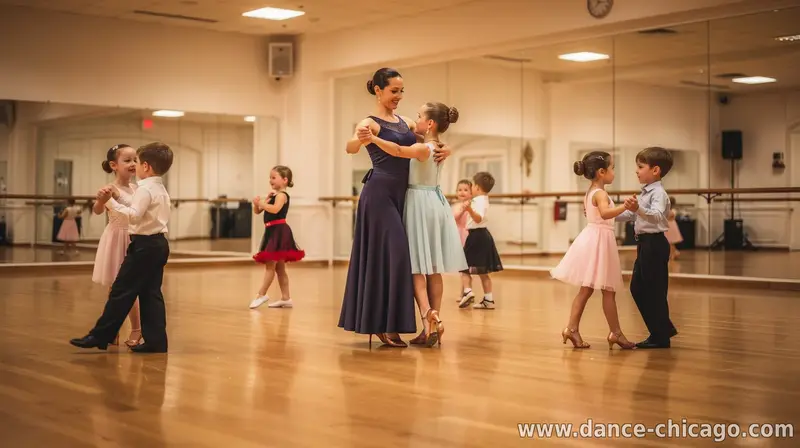
Most children begin with beginner classes and short practice sessions around ages 4 to 7. At this stage, many kids enjoy learning rhythm, posture, and coordination without heavy emphasis on technique or competition.
Typical starting ages (and what to expect)
For many families, 4–5 is a good window for “pre-dance” fundamentals: balance, musicality, coordination games, and simple partner-awareness (without complex frame work). For 6–7, children often do well with beginner ballroom foundations—basic steps, turning, and etiquette—because they can usually sustain attention longer and understand multi-step instructions.
Kids who start around 8–10 also have plenty of success, especially if they’re physically ready and enjoy disciplined practice. At that age, lessons can progress more quickly into clearer technique, body lines, and structured sequences.
Readiness signals that matter more than age
Consider your child’s readiness using a few practical indicators. If several of these feel true, they’re likely prepared to start at a younger age with a good program.
- Following simple instructions: can they remember and apply 1–2 cues (e.g., “step, together, turn”)?
- Rhythm and movement control: do they naturally move with music or clap to a beat?
- Basic coordination: can they hop, balance briefly, and manage footwork without rushing?
- Comfort with partners: can they interact respectfully and handle gentle guidance?
- Attention span: do they engage for 30–45 minutes (or match the class length)?
How lesson structure should guide the decision
Ballroom classes vary widely, and the right program can make a major difference in whether a child thrives. Look for sessions that prioritize fun, positive coaching, and age-appropriate goals—especially for younger kids. Beginner classes should include frequent resets, clear demonstrations, and plenty of music-based learning rather than long lectures or repetitive drills.
It’s also worth choosing instructors who emphasize safety and confidence—teaching partner connection in a way that feels supportive, not intimidating. For younger dancers, programs that use short step bursts and playful practice often work better than full-length routines.
What to do if your child isn’t ready yet
If your child is very young or seems easily frustrated, that doesn’t mean ballroom is off the table. Consider starting with rhythm and movement training—such as dance/gymnastics-style coordination classes, musicality workshops, or kid-friendly dance programs—then revisit ballroom when they show stronger focus and comfort with partnered play.
Many children improve quickly with the right foundation, and starting a year or two later can lead to a more enjoyable first experience.
In general, 4–7 is the most common beginner range, but the best age is the one that matches your child’s attention, coordination, and comfort with learning in a structured partner environment. A quick trial class with an experienced instructor can help you confirm readiness—often in just one session.
Related materials
Be the first to share your opinion with others.