
- 10/12/2026
- 292 Views
- Comment
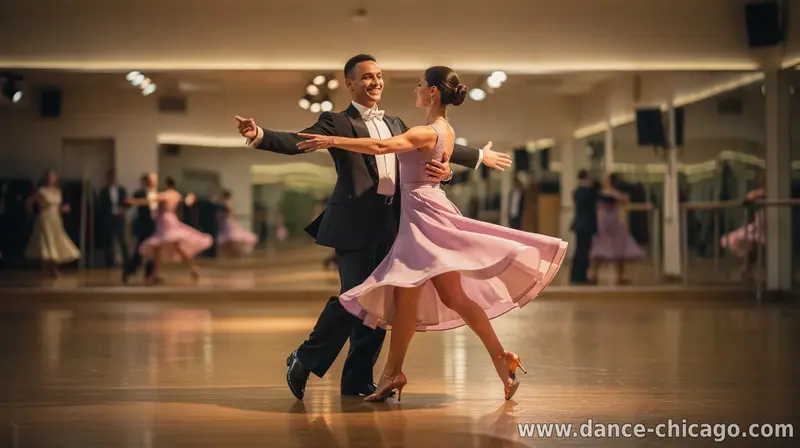
The quickstep is one of ballroom’s most energetic styles—bright, bouncy, and built around speed, smooth travel, and crisp footwork. Often described as “rapid foxtrot,” it combines a light, driving rhythm with a flowing look that can seem daunting at first glance.
At its core, quickstep is about momentum. Dancers move across the floor using a compact frame, quick actions under the body, and a strong sense of timing to keep the dance light rather than stiff or rushed.
What the quickstep is known for
Quickstep typically features a steady beat with quick timing changes, allowing dancers to alternate between smooth gliding and lively action. Depending on the level, you’ll see recognizable shapes and patterns designed to create that “forward-and-lift” feeling, often with dramatic pauses or accents that make the dance look musical.
Common elements include a stable closed-hold (or beginner-friendly variations), coordinated foot placements, and an emphasis on maintaining the partner connection while moving efficiently through basic figures.
Is quickstep right for beginners?
For many beginners, quickstep can be a great choice—if you start in the right way. The dance is fast, but the learning pathway usually begins with simpler versions of timing and movement, rather than full competition routines. That makes it possible to build confidence quickly, especially when lessons focus on foundational skills.
It may be less ideal for beginners who want something slow and forgiving from day one. Because quickstep’s timing is central, students benefit from consistent practice and a coach who can help translate “speed” into clear technique.
How beginners should approach training
If you decide to try quickstep, look for classes that emphasize technique first: posture and frame, basic timing, partner connection, and controlled directional movement. Many instructors teach beginner quickstep by breaking down the dance into manageable parts—so you learn the feel before you chase complexity.
- Prioritize timing drills over memorizing figures.
- Practice balance and “rise and fall” (staying light through the steps).
- Learn the basic step pattern in small sections with a metronome or instructor count.
- Focus on smooth travel and partner coordination, not maximum speed.
- Attend social practice or review sessions to reinforce what you learned in class.
Instructors can also tailor the tempo. Many studios begin with slower music or guided counts so beginners can synchronize footwork and partner movement without feeling overwhelmed.
What to expect in the first lessons
Your earliest sessions will likely include warm-up fundamentals, then a few core quickstep actions in closed position. You’ll probably work on stepping patterns, turning or travel direction changes in simplified form, and how to keep the connection while both partners move at the same time.
Expect improvement to come in phases: first, you’ll feel awkwardness in timing; then you’ll start to “catch” the rhythm; finally, movement will look more continuous and natural. That progression is normal—quickstep rewards persistence as much as it does talent.
Bottom line: quickstep can be a welcoming beginner dance when the training is structured around timing, posture, and technique. If you enjoy fast music and don’t mind working through fundamentals, it’s absolutely worth trying.
Related materials
Be the first to share your opinion with others.