
- 10/21/2026
- 450 Views
- Comment
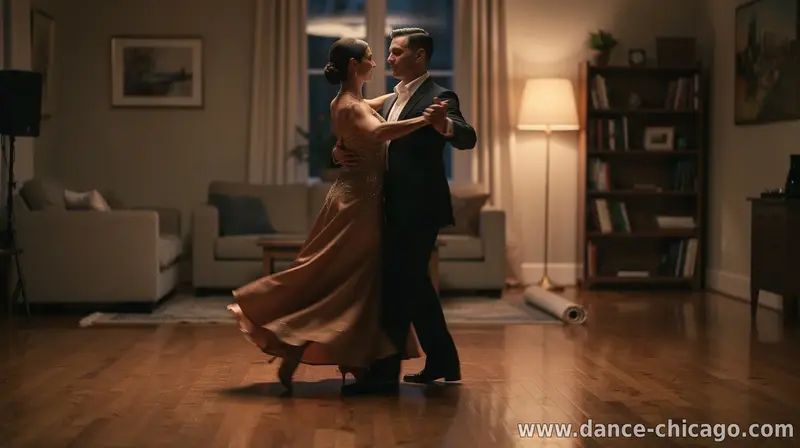
Practicing ballroom dance at home can feel intimidating at first, but you don’t need a studio to make real progress. What you do need is a consistent plan: clear focus for each session, deliberate practice of technique (not just repetition), and feedback you can actually measure—often using video and structured drills.
Set up a safe practice space and reliable equipment
Choose a room with enough clearance for a full step and controlled turns. Aim for a smooth floor (or use dance shoes/appropriate socks if you’re on a softer surface). Keep the area free of hazards and, if you’re practicing turns, make sure you have a “spot” to check your orientation. Use a music playlist with a steady tempo and, if possible, headphones or a speaker positioned so the beat is easy to track.
Pick one dance first—and define what “good” looks like
Don’t try to learn multiple styles at once. Start with one partner-dance genre you enjoy (like waltz, tango, foxtrot, or quickstep) and identify 2–3 concrete outcomes for a month—such as maintaining posture through a full sequence, landing steps on the correct beats, or improving balance during basic turns.
Ballroom technique improves fastest when your goals are specific. For example: “Keep shoulders down and arms steady during the basic” is more actionable than “get better at dancing.”
Build a weekly routine you can repeat
A simple structure works well for at-home practice. Use 3–5 sessions per week, 20–45 minutes each, and repeat the same core format so you can spot improvements. Within each session, include: a warm-up, a technique drill, practice of a short phrase/sequence, and a cooldown with review.
If you’re new, start with shorter sessions and increase gradually. Consistency beats intensity—especially when you’re practicing without a teacher to correct form in real time.
Warm-up (5–8 minutes): gentle cardio (marching in place), ankle and hip mobility, and posture rehearsal (standing tall, chest lifted, ribs supported). Add a few slow steps to sync movement with the music.
Technique drill (10–15 minutes): practice basics at reduced speed until alignment is consistent. Focus on weight placement, foot articulation, and keeping your upper body stable.
Sequence work (10–20 minutes): take one short set of steps (for example, a basic pattern or a turn progression) and repeat it with the same entry and exit every time.
Review (3–5 minutes): video yourself or rehearse in front of a mirror, then choose one correction for your next session.
Practice “the frame” and posture even when solo
Ballroom is as much about body control as it is about steps. Even if you don’t have a partner, you can practice key elements: neutral head position, steady core engagement, quiet shoulders, and consistent arm placement. Try “marking” positions—holding your frame shape briefly while you step, then resetting—so your body doesn’t collapse when you change direction.
To improve balance, practice weight transfer slowly: shift onto the correct foot, pause for a beat, then step again. This helps your movement look intentional instead of rushed.
Use music and count beats to fix timing
Timing is one of the biggest challenges for at-home dancers. Use counts and tempo instead of guessing. Start by learning where each step lands in relation to the beat (and not just the “feel” of the song). When practicing, try two modes: first, count out loud while you step; second, dance without counting but keep the internal beat.
As a check, film a 20–30 second segment. If your feet consistently arrive late or early, lower the tempo and rebuild the rhythm before increasing speed again.
Find feedback: video, mirrors, and structured self-checks
Without a studio instructor, feedback is the substitute that keeps you progressing. Record from the front, then from the side. Look for repeatable issues like: shoulders rising, collapsing posture on turns, feet slipping or landing unevenly, or uneven spacing between steps.
Create a short self-check list you use every time. For example: “posture stable,” “foot lands cleanly on the count,” and “head stays quiet.” Over several weeks, you’ll see which changes stick and which need more work.
When you don’t have a partner, train around the limits
If you practice solo, focus on the parts you can control: footwork patterns, turns, body mechanics, and posture. When you eventually dance with someone (even occasionally), prioritize adapting to a shared rhythm and learning how your body reacts to a lead/follow dynamic.
If you can find a partner intermittently, use “technique sessions” rather than only full dances: drill timing, practice short phrases, and agree on what you’ll both focus on (for example, consistent frame and clear starting points).
Progress at home is real when your practice is structured and reflective. Pick one dance, follow a repeatable routine, focus on timing and posture, and use video or mirrors to correct issues. Over time, your basics become steadier, your turns look cleaner, and you’ll feel more confident whether you return to a studio—or keep building your skills independently.
Related materials
Be the first to share your opinion with others.