
- 10/16/2026
- 298 Views
- Comment
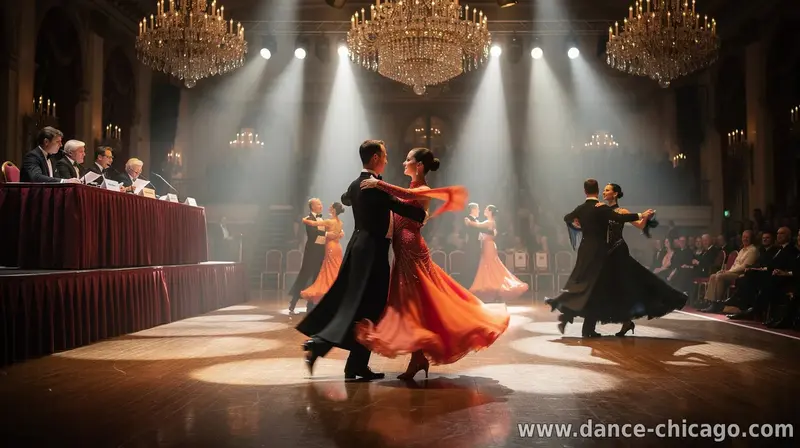
Walking into a ballroom competition can feel like stepping into a well-orchestrated routine—one where timing, preparation, and focus matter as much as the dance itself. While every event differs in format and size, most competitions follow a similar “day flow” from early arrivals to final awards.
1) Early arrival, check-in, and registration
Competitors typically arrive before their first scheduled events to handle check-in and verification. Staff may confirm entry details, assign numbers, and explain the running order. For dancers and coaches, this is also when last-minute logistics—music readiness, costume organization, and partner coordination—are settled.
At larger events, the venue may be busy well before the first dance. Parents and spectators often find their seats early, while competitors use the margins of the day to connect with teammates and review routines quietly.
Warmups and getting “competition ready”
2) Practice and warmups between rounds
After check-in, dancers spend time warming up and rehearsing key sections—footwork clarity, turns, frame, and transitions. Warmups can include stretching, technique drills, and full or partial run-throughs when permitted by the event schedule.
Coaches often use this window to make targeted adjustments. Even small refinements—posture cues, timing tweaks, or how to enter a specific figure—can improve consistency once the clock starts for official rounds.
Judging, heats, and the rhythm of the schedule
3) First dances, heats, and judging
When the competition begins, couples enter according to their heat and level (for example, by age group and/or skill division). Matches can move quickly, so competitors listen closely for calls and plan their timing to avoid delays.
During judging, dancers focus on execution, musicality, and control—without trying to “outperform” the routine. The goal is clean accuracy and confident presentation, even when the audience is loud or the atmosphere is intense.
4) Between-routine resets
Between dances, there’s a noticeable shift from performance mode to recovery mode. Competitors may rehydrate, adjust costumes, apply finishing touches (like hair or accessories), and mentally reset. Some partners review cues together; others take a brief break to avoid fatigue or overstimulation.
It’s also the moment for quick coaching notes. Feedback is often brief and practical—something that can be applied immediately rather than debated mid-competition.
5) Progression to later rounds
As the day continues, the event may move to additional heats, semifinals, or finals depending on the format. Typically, later rounds bring higher pressure, since results can tighten quickly. Competitors frequently rely on the same calm routine: breathe, visualize the routine, focus on the first measures, and then stay inside the dance.
Energy shifts and awards
6) Final dances and recap
By the time the final rounds approach, the venue’s rhythm changes again. Spectators settle in for the concluding performances, and competitors often feel a mix of adrenaline and relief. Coaches and teammates may gather closer, ready to support and encourage.
7) Awards, photos, and post-competition wrap-up
After the last dance, organizers announce placements and award results. Even for competitors who didn’t take top positions, the post-awards period can be valuable: photo moments, handshake lines, congratulations, and quick debriefs with coaches.
Many dancers end the day with a final reset—packing costumes, reviewing notes for the next event, and taking time to recover after a long stretch of concentration.
In short, a typical ballroom competition day is a cycle: arrive, prepare, perform on schedule, reset between rounds, and finish with awards and reflection. The details—timing, number of heats, and event structure—vary, but the core flow remains focused on readiness and consistent execution.
Related materials
Be the first to share your opinion with others.