
- 10/26/2026
- 207 Views
- Comment
Tango is more than a style of dance—it’s a cultural language shaped by migration, nightlife, and musical innovation. Born in the late 1800s around the Río de la Plata region, it developed in Buenos Aires and Montevideo before spreading across Europe and beyond.
For newcomers, understanding where tango comes from and what to listen for in the music can make early practice feel less like imitation and more like participation.
Origins: How tango formed
Most histories trace tango’s roots to the working-class social scenes of Buenos Aires and Montevideo, where European immigrants, Afro-descendant communities, and local cultures interacted. The result was a mix of rhythms, melodies, and expressive performance styles—often tied to cafés, street life, and late-night gatherings.
Over time, tango evolved from local entertainment into a recognizable art form. Its popularity expanded as recordings circulated and the music traveled, eventually gaining international visibility in the early 20th century.
The music: What to listen for
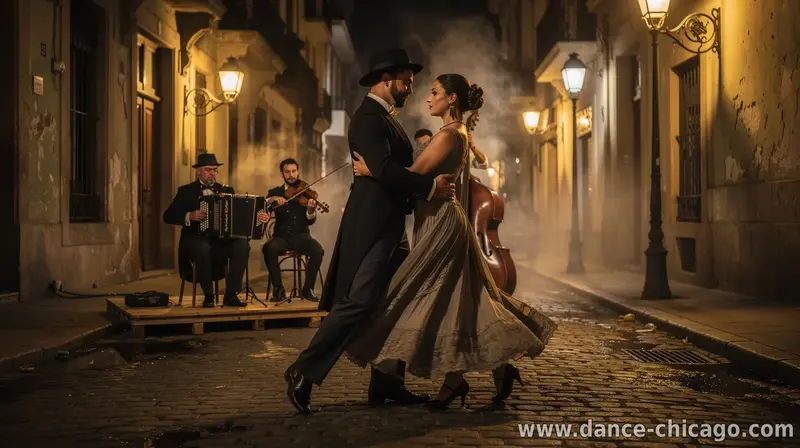
Tango music is typically built around a steady rhythmic pulse with expressive phrasing. A classic tango ensemble may include bandoneón, violin, piano, and double bass, creating a sound that can shift quickly between tension and release.
Beginners often find it helpful to focus on three elements: the beat (the walking rhythm that supports movement), the phrasing (how lines start and end), and the dynamics (how the music can feel urgent, then suddenly lyrical). If you’re practicing with tracks, choose ones described as “classic” or “traditional” at first—many are easier to dance to than modern experimental mixes.
First steps: How to start dancing
At the beginning, tango is less about fast footwork and more about connection and clarity. A common early goal is learning to walk in time while maintaining posture and balance. Many instructors emphasize that the “lead” travels through the upper body and weight shifts, not just the legs.
When you practice, start with simple patterns: marking time with small steps, pausing briefly to feel the music, and then repeating. As your confidence grows, introduce basic figures taught in beginner classes—often including fundamental walking sequences and turns that rely on weight transfer.
- Pick a consistent practice track and count the beat before moving.
- Keep steps compact early on, focusing on timing over size.
- Practice weight changes slowly to build control.
- Dance with guidance: take a beginner class or use slow-tempo videos.
- Record a short session to check posture and timing.
Finally, remember that tango is social by nature. Whether you’re learning for the dance floor or simply to understand the music, progress accelerates when you practice with others and listen closely to how dancers interpret the same melody.
Related materials
Be the first to share your opinion with others.