
- 10/12/2026
- 70 Views
- Comment
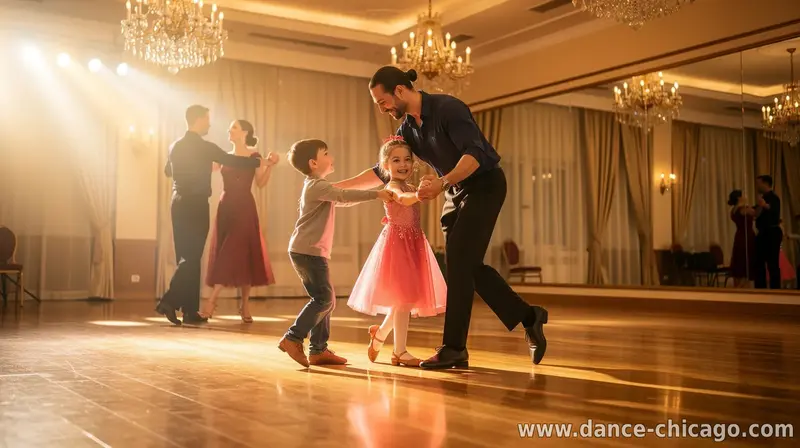
Walking into a ballroom studio for the first time can feel exciting—and a little nerve-racking—for both kids and parents. The good news is that most first classes are designed to be welcoming, age-appropriate, and focused on building comfort, coordination, and social confidence.
What happens in the first 30–60 minutes
Most instructors begin with a warm welcome and a quick overview of what the class will cover. Your child will typically participate in a warm-up that may include light stretching, balance activities, and basic footwork drills. This helps them understand the space, the pace, and the safety expectations before any more structured partner work begins.
Next, the class often introduces foundational ballroom concepts—such as posture, leading/following basics, and how to move with control and rhythm. Even if your child is brand new, instructors usually break movements down into simple steps they can practice right away.
Partnering: what “ballroom for beginners” usually looks like
Ballroom may involve pairs, but beginners are rarely expected to know anything beforehand. Many programs use structured partner rotation, guided positioning, and “teacher-led” demonstrations so children can learn without feeling singled out. Depending on age and curriculum, your child might practice steps with a partner, take turns, or do partner-free rhythm activities before pairing fully kicks in.
Instructors typically emphasize respectful behavior—such as staying in the correct area, listening for cues, and maintaining personal space. If your child is shy or concerned about partnering, that’s a common first-day reaction, and a good instructor will help them ease in.
Music, timing, and class rules
Ballroom classes rely heavily on musical timing. Your child may notice that the instructor counts beats, cues changes, and demonstrates where to place hands or how to begin and end a move. You can expect moments of repetition—short, manageable practice segments designed to build muscle memory.
Studios generally set clear expectations for behavior and safety: keeping a proper distance on the floor, not running or wandering between practice areas, and asking questions when confused. These rules help the class stay organized and make beginners feel secure.
Clothing, shoes, and comfort
What your child wears matters, but comfort matters most on day one. Look for clothing that allows free movement and won’t restrict legs during steps. For shoes, many beginner programs recommend dance sneakers or ballroom-appropriate footwear (depending on studio guidance). If you’re unsure, ask the studio before the first class—many will provide recommendations or shoe options.
Bring a water bottle, and consider packing a small towel if your child runs hot. For some kids, nerves can cause extra sweating, and hydration helps them stay focused on learning.
How to help your child feel confident
Parents can support the experience with simple, positive prep. Talk to your child about what they can expect—friendly learning, listening to the instructor, and practicing in small steps. Encourage them to try even if they feel clumsy at first; in ballroom, “imperfect” early attempts are part of the process.
After class, a short debrief can make a big difference. Ask what their favorite part was, what step felt easiest, and whether they learned anything new about how to move to the music. Celebrating small wins helps build momentum for the next session.
Your child’s first ballroom class is less about performance and more about discovering rhythm, coordination, and confidence in a supportive setting. With comfortable preparation and a calm, encouraging attitude, the first lesson can become the start of something fun—and a new way to build skills, friendships, and self-assurance.
Related materials
Be the first to share your opinion with others.