
- 09/20/2026
- 70 Views
- Comment
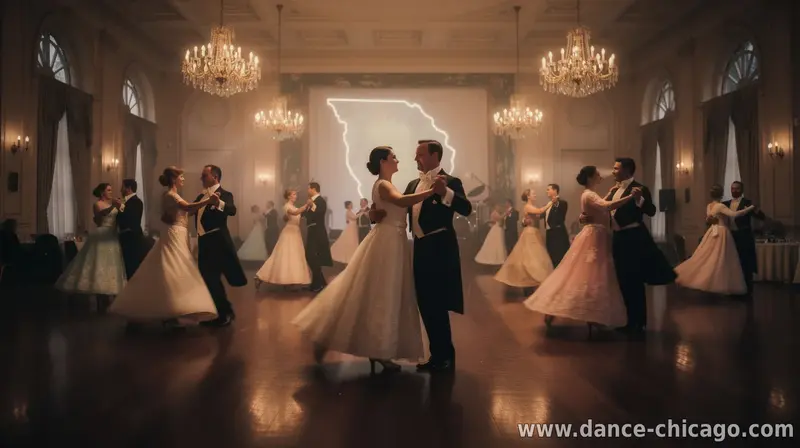
Ballroom dancing in Illinois has long reflected how people in the Midwest wanted to socialize—first through formal “assembly” balls and later through the dance floors of hotels, civic halls, and neighborhood venues. While the state has its own local rhythm, much of its ballroom story mirrors broader American trends: European influences arriving with immigrants, modern music reshaping partner dancing, and organized competition turning informal lessons into recognized disciplines.
In the late 1800s and early 1900s, Illinois cities such as Chicago offered social calendars that prized etiquette, posture, and partnered courtship. Imported styles—especially waltzes, polkas, and early forms of foxtrot-era social dancing—appeared at upscale events, where families often viewed dance as both entertainment and a public display of manners.
As Illinois expanded, so did the spaces for dancing. Dance halls and hotel ballrooms became central community sites. In many towns and neighborhoods around the Chicago metropolitan area, ballroom nights were among the most reliable ways for young people to meet, practice dance steps, and participate in seasonal celebrations.
By the mid-20th century, ballroom dance in Illinois was influenced by a faster, more widely shared popular culture. Radio broadcasts and, later, television increased exposure to orchestras and dance celebrities, while popular music styles pushed instructors and dancers to refine timing, styling, and pacing. The ballroom floor became not only a social gathering but also a place to learn technique—turning casual interest into structured classes.
Competition and certification added another layer. As national and international ballroom standards grew more prominent, Illinois dancers increasingly participated in organized events, where consistent rules for figures, hold, and performance quality mattered as much as musicality. Local studios and community organizations helped translate these standards into approachable lesson plans for beginners and progressing students alike.
Over the decades, demographic change also shaped ballroom culture. Illinois’ long history of migration and cultural exchange brought new musical tastes and dance sensibilities to the social scene. Yet even as music evolved, the core idea of ballroom—coordinated movement, partner connection, and shared timing—remained a stable thread connecting different generations.
Today, ballroom dance in Illinois exists in overlapping worlds: community social dances that emphasize welcome and practice, studio training that focuses on technique and progression, and competitive circuits where dancers demonstrate polish under clear criteria. Many Illinois dancers continue to draw inspiration from earlier styles while also incorporating contemporary interpretations, keeping the tradition both rooted and dynamic.
From 19th-century assembly balls to modern studio competitions, Illinois’ ballroom history shows how dance travels through institutions—hotels, halls, radios, clubs, and classrooms—before it settles into local tradition. If you want to understand the state’s ballroom story, it’s less about a single era and more about recurring spaces where people come together to learn, perform, and celebrate movement with a partner.
Related materials
Be the first to share your opinion with others.