
- 10/23/2026
- 222 Views
- Comment
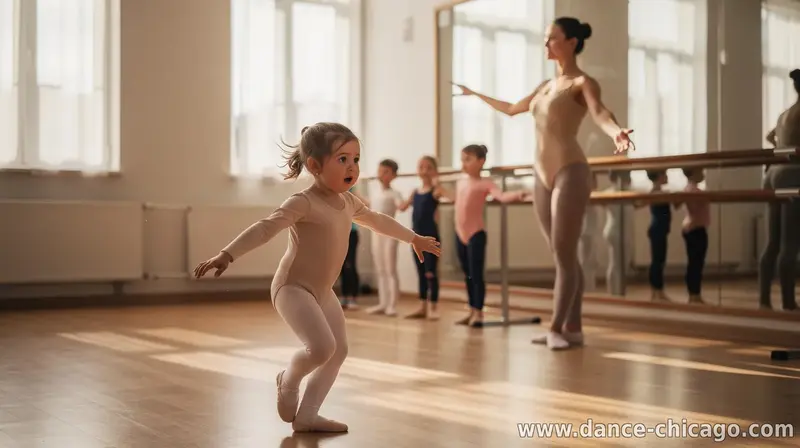
Play dance is where many kids discover rhythm, joy, and body awareness—often with no rules at all. But at some point, many children start showing readiness for structured dance classes, where they learn technique, timing, and teamwork. Here are practical signs to look for before you book the next session.
1) They show steady interest beyond “just having fun”
If your child consistently asks to dance, practices spontaneously, or looks forward to class the day before, that’s a strong signal. Readiness often shows up as sustained curiosity—more than a one-off excitement after watching a performance or friend’s recital.
2) They can follow simple instructions
Structured classes rely on listening and doing: “show me your feet,” “match the count,” “line up,” or “pause when the music stops.” When your child can reliably follow 1–2 step directions during everyday routines (like cleaning up or playing games with rules), they’re more likely to manage a dance classroom environment.
It doesn’t have to be perfect. A child who improves quickly after reminders is often ready to start with an age-appropriate level.
3) They can handle the idea of waiting, sharing, and turn-taking
Most group classes involve short waits, watching others, and taking turns with space. If your child can tolerate these boundaries—especially when they’re excited—they’ll transition more smoothly from play dance at home to a shared studio setting.
Look for calm behavior during games that require turns or short queues at playgrounds. That social “structure” is a valuable foundation for dance.
4) They show growing confidence and curiosity about technique
Some kids are content to move for fun forever. Others start noticing details: “How do I do that step?” “Why do we clap on this part?” or “Watch again—I want to try.” If your child begins asking questions about how movements are done, they may be ready for guided instruction and progression.
This readiness can also look like pride in learning something new—smiling after a correction or trying the next variation without shutting down.
5) They stay engaged long enough for class-length activities
Structured classes have a timeframe and a flow: warm-up, across-the-floor movement, rhythm work, and a cooldown. If your child can remain engaged in a similar length of activity—whether it’s a kids’ music session, a theater rehearsal, or a sports practice—they’re likely to handle dance class expectations.
If their attention drifts, consider starting with shorter sessions or beginner programs designed for younger beginners.
6) They communicate what they like—and how they feel
A child who can express preferences (“I like the jumping part,” “I don’t like being too close to people”) and feelings (“That was frustrating, but I’ll try again”) is often better prepared for structured settings. Teachers can adapt when they understand a child’s comfort level.
In contrast, if your child becomes distressed at the idea of group activities or repeatedly refuses transitions, it may be a sign to pause and keep play dance going a bit longer—or try a more flexible program.
How to test readiness before committing
If you’re on the fence, a trial class or an introductory workshop can provide quick clarity. Observe whether your child participates when encouraged, follows simple cues, and recovers after mistakes. A great first experience should leave them feeling excited rather than overwhelmed.
Next steps for parents
Choose a beginner program that matches your child’s age and temperament, and consider asking the studio about their approach for new dancers (especially around transitions, listening, and encouraging kids who are shy). Most importantly, keep the focus on enjoyment and learning—structured classes should still feel like a safe place to grow.
When the timing is right, structured dance doesn’t replace play dance—it builds on it. With the right expectations, your child can keep the fun while gaining the skills and confidence that come from guided instruction.
Play dance is where many kids discover rhythm, joy, and body awareness—often with no rules at all. But at some point, many children start showing readiness for structured dance classes, where they learn technique, timing, and teamwork. Here are practical signs to look for before you book the next session.
1) They show steady interest beyond “just having fun”
If your child consistently asks to dance, practices spontaneously, or looks forward to class the day before, that’s a strong signal. Readiness often shows up as sustained curiosity—more than a one-off excitement after watching a performance or friend’s recital.
2) They can follow simple instructions
Structured classes rely on listening and doing: “show me your feet,” “match the count,” “line up,” or “pause when the music stops.” When your child can reliably follow 1–2 step directions during everyday routines (like cleaning up or playing games with rules), they’re more likely to manage a dance classroom environment.
It doesn’t have to be perfect. A child who improves quickly after reminders is often ready to start with an age-appropriate level.
3) They can handle the idea of waiting, sharing, and turn-taking
Most group classes involve short waits, watching others, and taking turns with space. If your child can tolerate these boundaries—especially when they’re excited—they’ll transition more smoothly from play dance at home to a shared studio setting.
Look for calm behavior during games that require turns or short queues at playgrounds. That social “structure” is a valuable foundation for dance.
4) They show growing confidence and curiosity about technique
Some kids are content to move for fun forever. Others start noticing details: “How do I do that step?” “Why do we clap on this part?” or “Watch again—I want to try.” If your child begins asking questions about how movements are done, they may be ready for guided instruction and progression.
This readiness can also look like pride in learning something new—smiling after a correction or trying the next variation without shutting down.
5) They stay engaged long enough for class-length activities
Structured classes have a timeframe and a flow: warm-up, across-the-floor movement, rhythm work, and a cooldown. If your child can remain engaged in a similar length of activity—whether it’s a kids’ music session, a theater rehearsal, or a sports practice—they’re likely to handle dance class expectations.
If their attention drifts, consider starting with shorter sessions or beginner programs designed for younger beginners.
6) They communicate what they like—and how they feel
A child who can express preferences (“I like the jumping part,” “I don’t like being too close to people”) and feelings (“That was frustrating, but I’ll try again”) is often better prepared for structured settings. Teachers can adapt when they understand a child’s comfort level.
In contrast, if your child becomes distressed at the idea of group activities or repeatedly refuses transitions, it may be a sign to pause and keep play dance going a bit longer—or try a more flexible program.
How to test readiness before committing
If you’re on the fence, a trial class or an introductory workshop can provide quick clarity. Observe whether your child participates when encouraged, follows simple cues, and recovers after mistakes. A great first experience should leave them feeling excited rather than overwhelmed.
Next steps for parents
Choose a beginner program that matches your child’s age and temperament, and consider asking the studio about their approach for new dancers (especially around transitions, listening, and encouraging kids who are shy). Most importantly, keep the focus on enjoyment and learning—structured classes should still feel like a safe place to grow.
When the timing is right, structured dance doesn’t replace play dance—it builds on it. With the right expectations, your child can keep the fun while gaining the skills and confidence that come from guided instruction.
Related materials
Be the first to share your opinion with others.