
- 09/23/2026
- 271 View
- Comment
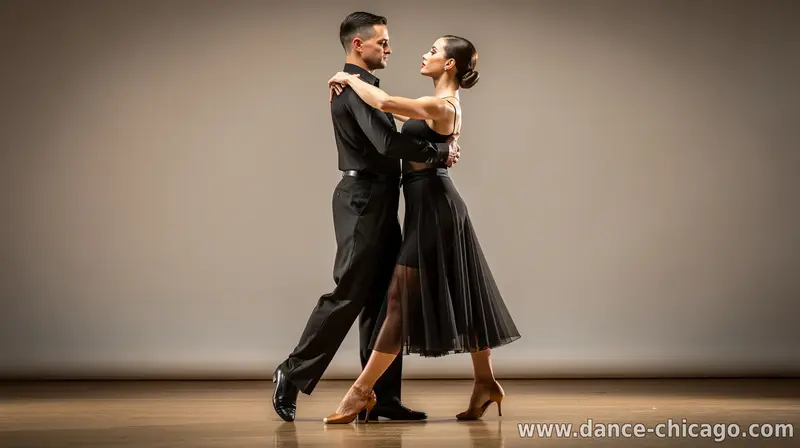
In standard ballroom dancing, a “proper frame” is the visual and physical structure that shapes your lines, supports partner connection, and creates consistent movement. When your frame is set correctly, you look taller and more in control—whether you’re dancing slow foxtrot, quickstep, or waltz.
Because ballroom is a partnered discipline, your frame isn’t only about what your arms do. It also includes how you stand, how you move your weight, and how you connect to your partner through your arms and upper body.
Start with posture: tall, lifted, and stable
Set your foundation before you “put your arms on.” Aim for an upright spine with a slightly lifted chest (not an over-arched back). Keep your ribs stacked over your hips, and engage your core so your posture doesn’t collapse when you transfer weight.
Relax your shoulders away from your ears. If your shoulders creep up or tense, your frame will look tight and your partner connection will become strained.
Shape the arms and hands for a clear outline
For a classic standard look, maintain a rounded shape through the upper arms and elbows, rather than letting the arms sag. Think “steady and lifted,” not “reaching.” Your forearms should feel comfortably supported, with tension used only as needed to hold structure.
Hands should be firm but not rigid. Keep fingers relaxed and elongated, and avoid gripping your partner’s arm. A clean, even tension helps your frame stay consistent during turning and traveling.
Maintain connection: soft, not collapsible
Your frame should create connection without stiffness. Imagine there’s light pressure and “elastic support” between you and your partner—enough to communicate movement, but not so much that your arms lock or your posture tightens.
If your frame collapses during rotation, it usually comes from one of three places: (1) shoulders rising, (2) core not engaged, or (3) arms “hanging” instead of being supported. Reset these elements and then re-check your outline.
Keep the frame steady through movement
A correct frame is not a pose for a single moment—it holds its shape as you rotate and travel. Practice keeping your upper body aligned while your legs and body move beneath it. Your head position should remain lifted, and your chest should not drop as you turn.
When traveling in standard, many dancers lose frame because they rush their steps or allow the torso to chase the feet. Instead, let the movement flow from the body, then maintain the frame like a “structure” that stays in place while the legs do the work.
Common mistakes to watch for
- Raised shoulders: creates tension and shortens your lines.
- Locked, rigid arms: makes turns look mechanical and reduces partner responsiveness.
- Sagging elbows or wrists: weakens your outline and connection.
- Over-arching the lower back: looks tense and often disrupts balance.
- Frame changes mid-turn: usually caused by posture collapsing or rushing footwork.
Fix these one at a time. For example, if your shoulders are creeping up, re-center your posture first, then re-check arm shape and connection.
With consistent practice, your frame becomes automatic: posture is stable, arms stay shaped, connection remains clear, and your partner can guide movement smoothly. In lessons, ask your coach to watch your frame from the side and front—those angles reveal whether your posture, shoulder position, and arm outline are truly consistent.
Related materials
Be the first to share your opinion with others.