
- 09/20/2026
- 240 Views
- Comment
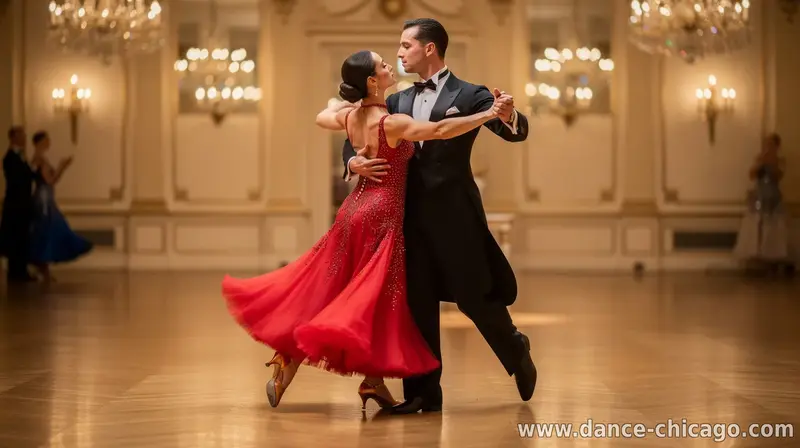
Ballroom dancing can be a great way to stay active, improve balance, and support social wellbeing. But if you live with back pain, the question isn’t whether you can dance—it’s how to do it in a way that doesn’t aggravate your symptoms.
When ballroom dancing may be a bad idea
If your back pain is severe, worsening rapidly, or comes with red flags such as numbness/weakness, loss of bladder or bowel control, fever, unexplained weight loss, or recent significant trauma, you should avoid dancing and get medical evaluation first. In these cases, attempting to “push through” can delay proper care.
Why ballroom can still work
For many people, back pain is sensitive to movement patterns, posture demands, and recovery time—not the act of dancing itself. Ballroom styles often emphasize controlled steps, rhythm, and frame (upper-body positioning), which can encourage stable standing and gradual mobility when done gently. Some dancers also find that consistent, low-intensity practice reduces stiffness over time.
Key modifications to protect your back
Start with changes that reduce strain and keep your spine in a comfortable range. Consider these practical adjustments:
- Get clearance if needed: If your pain is new, recurrent, or you have a known condition (e.g., disc issues, sciatica), check with a clinician or physiotherapist.
- Choose lower-impact sessions: Shorter practice blocks (e.g., 15–30 minutes), fewer long rehearsals, and plenty of rest days.
- Prioritize neutral posture: Maintain a comfortable standing alignment; avoid forcing an exaggerated arch or rounded posture.
- Use smaller steps first: Reduce stride length and turn intensity until your back tolerates the movement.
- Focus on technique over speed: Smooth weight shifts and controlled pivots typically feel better than fast, abrupt motions.
How to tell if a session is helping or harming
A useful rule of thumb is how your pain behaves during and after practice. Mild discomfort that settles within a day can be a sign the activity is tolerated, while pain that spikes during dancing, lingers and worsens over 24–48 hours, or changes your symptoms (for example, increased leg pain or tingling) is a signal to stop and reassess.
It can also help to keep a simple log: what style, duration, intensity, and what your pain felt like before, during, and after. This makes it easier to spot triggers—such as deep bends, high-impact steps, or extended turns.
Pick the right style and progression
While different ballroom styles vary in footwork and rotation, many dancers with back pain do best starting with slower tempos, simpler patterns, and more time spent on fundamentals. Progress gradually: increase time first, then complexity, then intensity. If you’re working with a coach, ask them to prioritize alignment, reduce awkward transitions, and provide step options that keep you within a comfortable range.
Warm-up and recovery matter
Before you dance, include gentle mobility and activation—such as light walking, hip and spine-friendly range-of-motion, and core engagement drills recommended by a clinician. After dancing, use recovery strategies that match your comfort: easy stretching, heat or ice if it helps, and low-stress movement the rest of the day to prevent stiffness.
Ballroom dancing with back pain isn’t a one-size-fits-all yes or no. For many people, it can be a safe, enjoyable form of exercise when symptoms are respected, technique is adjusted, and progression is cautious. If you want, tell me what kind of back pain you have (location, triggers, and any diagnosis) and which ballroom style you want to learn, and I can suggest more specific, back-friendly starting steps to discuss with your coach or therapist.
Related materials
Be the first to share your opinion with others.