
- 09/23/2026
- 171 View
- Comment
Buying dance shoes for young kids can feel tricky because the “right” pair depends on age, comfort, and what kind of dance they’re doing. While sneakers can work for some early play-based classes, dance shoes are designed to support movement, improve grip, and help kids transition to technique.
The best approach is to focus on three essentials first: a secure fit, proper flexibility, and safe traction. If those are in place, the style can match the child’s comfort and the studio’s expectations.
Start with the right fit (comfort is the goal)
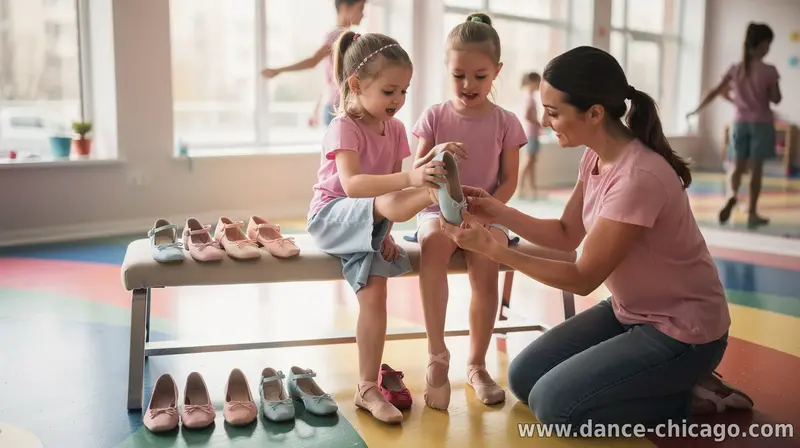
Kids’ feet grow quickly, so sizing matters more than most parents expect. Look for shoes that feel snug at the heel and midfoot without pinching the toes. Many dance shoes will require a short break-in period, but they should not cause sharp rubbing or numbness.
In-store or at home, check that your child can wiggle their toes and stand flat without the shoe sliding. If the heel lifts significantly or the shoe feels loose when they walk, it’s usually too big—or the wrong shape.
Match flexibility to your child’s level
Dance shoes should move with the foot, especially for early technique work. A common guideline is that the shoe should flex at the ball of the foot (where walking and turning push off) rather than bending awkwardly in the arch.
For very young kids just starting out, prioritize comfort and natural movement. As they progress, they may need a slightly more structured sole for better control, depending on the class type.
Choose traction and grip for safer movement
Young dancers often move quickly and learn by repetition, so traction helps reduce slipping and makes turns feel more stable. For most studios, the floor type matters—some facilities use sprung floors, others have wood or vinyl surfaces.
If your child’s shoes grip too much for the class, they may feel stuck and work harder to shift weight. If they grip too little, they’ll struggle with balance. When in doubt, follow the studio’s guidance on sole color and material.
Pick the right material and closure
Look for breathable materials that keep feet comfortable during longer classes. Leather and quality synthetic uppers are often used because they can conform to the foot over time, but the key is whether your child can get a good fit without fuss.
Closures matter for independence and safety. Secured laces, straps, or reliable fastenings help prevent shoes from loosening mid-class. For younger kids, adjustable straps or easy-to-use fasteners can make it easier to get the fit right every time.
Consider the dance style (it changes what “right” means)
Dance shoes aren’t one-size-fits-all. Ballet often uses different footwear than jazz or tap, and different styles require different soles. If your child changes classes, you may need a separate pair for each style—or a studio-recommended crossover option.
When choosing, ask the instructor what footwear is expected for the curriculum. Studio requirements are usually set for technique and safety, especially when children are learning alignment, balance, and foot articulation.
Plan for growth and re-check fit regularly
Because young kids’ feet grow fast, you’ll want to re-check fit more often than you would with everyday shoes. Watch for signs like heel slipping, toe overlap, or difficulty flexing into the shoe comfortably. If those appear, it’s probably time to size up—even if the shoe still looks new.
A good rule is to measure periodically and keep a close eye on how the shoes perform during class. If the shoes consistently cause discomfort or require constant adjustment, they likely aren’t the right fit for your child’s current foot.
With a focus on fit, flexibility, and traction—plus the specific needs of the dance style—you can choose dance shoes that feel comfortable, support safe technique, and help your young dancer stay confident from the first class.
Related materials
Be the first to share your opinion with others.