
- 10/17/2026
- 340 Views
- Comment
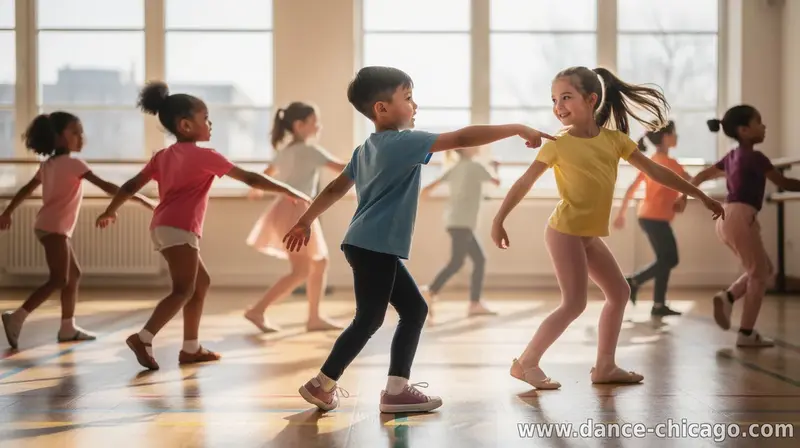
Dance is more than a creative outlet for children. When taught in an age-appropriate, supportive way, it can help develop core skills that show up in everyday life—especially focus, discipline, and confidence.
For many families, the question isn’t whether dance is “good,” but how it benefits child development and what to look for in programs. Across learning and child development research, movement-based activities are often linked to improvements in engagement, motivation, and self-management.
Focus: learning attention through cues, timing, and repetition
Dance classes train children to respond to information in real time—listening for instructions, watching demonstrations, and coordinating movement to music. That blend of sound, sight, and body helps children practice sustained attention, especially during sequences and routines.
Because choreography relies on timing and accuracy, children benefit from repeated practice. Over time, many learn to “stay with the task” rather than disengage when something feels difficult—an ability that can transfer to schoolwork and other structured activities.
Discipline: building self-control through structure and practice
Discipline in dance often looks like showing up on time, following class rules, and working through challenges without giving up. Structured lessons introduce clear expectations: warm-ups, technique work, and rehearsal for specific goals.
Kids also learn that progress comes from effort. Practicing the same step or sequence until it improves can strengthen perseverance and self-regulation—skills connected to managing impulses and sustaining effort.
Confidence: confidence grows from mastery and safe performance
Confidence can develop when children experience both encouragement and measurable growth. Dance offers frequent opportunities to feel competence: improving a turn, remembering a routine, or performing with friends.
Even when performances are optional or low-pressure, the process of preparing helps children build a sense of achievement. Supportive instructors can further reinforce confidence by celebrating effort, offering constructive feedback, and creating an environment where mistakes are treated as part of learning.
Choosing the right approach
Not all dance experiences are equally beneficial. Families can look for programs that match the child’s age and temperament, emphasize positive coaching, and keep expectations developmentally appropriate. Classes that focus on technique fundamentals, emotional safety, and individualized feedback are more likely to support focus, discipline, and confidence.
For best results, consider starting with short, consistent sessions and allowing the child to participate at their own pace. A good program will help children stay engaged without overwhelming them—so they can connect movement with growth.
Related materials
Be the first to share your opinion with others.