
- 05/19/2026
- 44 Views
- Comment
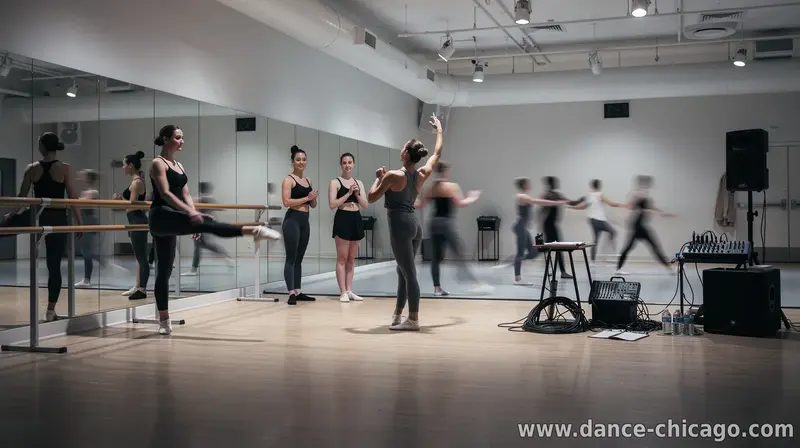
Every dancer knows the feeling of stepping into a studio and knowing today will build something real—balance, timing, confidence, and craft. At Dance Chicago, that progress is driven by how lessons are structured behind the scenes, with attention to pacing, learning goals, and the specifics of movement development.
While every class has its own flavor, the program is built on a consistent learning framework: clear objectives, a warm-up that supports the body for the work ahead, technique focus, and practice that connects skills to choreography. The result is a lesson flow that helps dancers understand what they’re working on and why it matters.
1) A learning path with defined goals
Rather than treating each session as a standalone experience, Dance Chicago approaches classes as part of a larger progression. Instructors typically align lesson content with the level’s core priorities—such as fundamentals, coordination, musicality, strength, or performance clarity—so dancers can measure growth over time.
This structure helps students spend time on the skills that will unlock the next stage. Beginners, for example, may emphasize foundational movement principles and safe alignment, while more advanced dancers often get more detail on dynamics, precision, and transitions.
2) Warm-ups designed to prepare for movement
Good dance training starts before technique begins. In many lessons, warm-ups are not just about “getting loose”—they’re designed to prepare joints, lengthen relevant muscle groups, and prime dancers for the specific demands of that day’s choreography.
That could mean mobility drills to support range of motion, stability work for control, or targeted activation so dancers can execute movement cleanly with less strain. For instructors, the warm-up is also an early checkpoint: it reveals how students move under light load and what needs attention in the main portion of class.
3) Technique coaching plus corrections in context
The middle of a lesson is where technique meets coaching. Instructors typically break down movement components—footwork accuracy, torso control, lines, or timing—then demonstrate or cue the adjustment they want students to make.
Crucially, corrections are delivered in context. Instead of isolating technique away from musicality or flow, dancers often rehearse corrections immediately in the phrases that matter, helping skills translate from “learning” to “performing.”
Coaching also tends to be incremental: instructors may start with the most visible issues (alignment, spacing, rhythm), then move toward finer points such as texture, emphasis, or quality of movement once the foundation is in place.
4) Repetition with purpose: from drills to choreography
Dance Chicago’s lesson structure commonly includes a shift from smaller, purposeful practice to longer sequences. Dancers might repeat short sections to embed timing and shape, then gradually expand to full combinations or choreography.
This method keeps practice efficient—dancers repeat what matters most without getting stuck in endless drill mode. As the session progresses, the class often shifts toward connecting steps to story, musical phrasing, and performance dynamics, so the final work feels cohesive rather than fragmented.
By the end of class, the lesson typically reinforces the day’s objectives—whether that’s improved control in turns, more consistent rhythm, or stronger stage-ready presence—so dancers leave with a clear sense of what they improved and what to carry forward.
For students, that structure can be the difference between feeling busy and feeling coached. For instructors, it provides a reliable template for teaching—one that supports both technical growth and the confidence required to perform.
Related materials
Be the first to share your opinion with others.