
- 11/11/2026
- 25 Views
- Comment
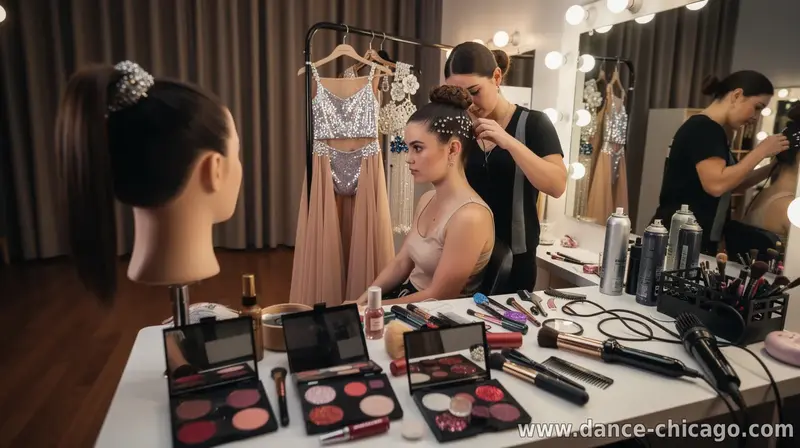
For dancers eyeing the competition floor, appearance matters as much as movement. Hair, makeup, and costumes create a cohesive stage image that complements technical skills and style. Getting these elements right can boost confidence and ensure your performance reads clearly from the audience and judges.
Before you begin, check the competition rules on allowable hair, makeup intensity, and costume requirements. Some events specify wig use, color restrictions, or materials that photograph poorly under arena lighting. Knowing these limits early prevents last‑minute changes and penalties.
Hair basics
Secure, sweat‑proof hairstyles that stay in place for the full routine. Common options include tight buns, braids, or slicked backs with strong gel or hair spray. Use hairnets and bobby pins to minimize movement, and consider color-matched accessories to maintain a clean line with your costume.
Practice your hair setup during rehearsals to confirm it holds through turns, jumps, and pivots. Bring a small kit with extra elastics, pins, and a mini hairspray can to the backstage area for quick touchups.
Makeup considerations
Stage makeup should read well from a distance: bold brows, defined eyes, and high-contrast lip color. Choose products that photograph well and are sweat‑resistant. Foundation and contour should enhance facial features under strong lighting without looking muddy on camera.
Consider the lighting of the venue and the color of your costume when selecting shades. If you’re dancing under bright spotlights, you may need to deepen contouring and eye makeup slightly so facial features remain visible on video and in person.
Costume essentials
Choose fabrics and silhouettes that work with the dance style and movement while staying comfortable. Ensure seams, zippers, and embellishments are secure; test every element during practice to prevent wardrobe malfunctions on stage.
Budget for durability: high‑quality costumes withstand repeated performances and washings. If you wear sequins or rhinestones, secure them properly and carry a small repair kit for quick fixes backstage.
Putting it all together requires coordination. Align hair, makeup, and costume with the music style and routine tempo so the overall look reinforces the performance narrative rather than competing with it. A cohesive presentation helps judges focus on technique and artistry.
Related materials
Be the first to share your opinion with others.