
- 09/20/2026
- 137 Views
- Comment
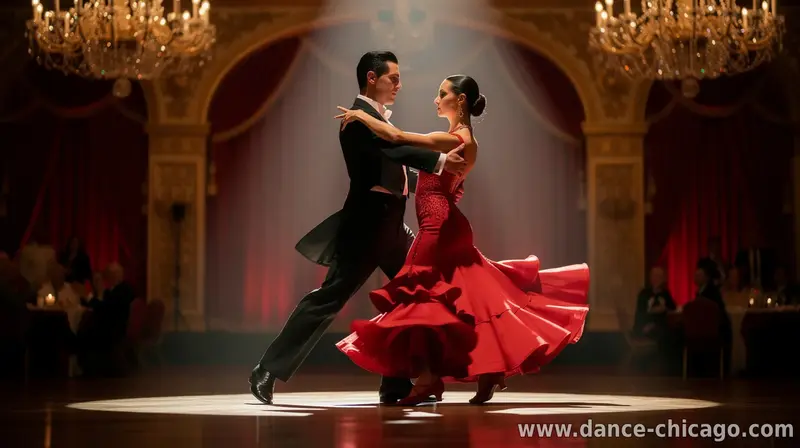
Paso Doble (Spanish for “double step”) is widely regarded as one of ballroom’s most theatrical dances—less about continuous flow and more about performance, character, and conviction. Where many styles emphasize softness or smooth travel, Paso Doble favors bold geometry: firm stances, dramatic arm shapes, and steps that feel like they’re marking time on stage.
At the center of its appeal is the dance’s connection to Spanish tradition and the imagery of bullfighting. In competition halls and stage productions alike, dancers often embody roles that suggest the tension and spectacle of the arena, turning technique into narrative.
The rhythm that drives the drama
Musically, Paso Doble is typically danced to marches in 2/4 time, producing a crisp, march-like pulse that supports the dance’s emphatic character. The phrasing in the music guides the way dancers “set” and release weight, making timing crucial—especially when the choreography calls for sudden changes in energy and direction.
That musical foundation is why the dance can feel so cinematic: the steps land with intention, the pauses read as emphasis, and the overall structure mirrors the rise and peak of a performance moment.
Posture, lines, and stage presence
Unlike ballroom dances that prioritize softness or long lines through continuous motion, Paso Doble is built on sharp, visible styling. Dancers frequently use strong posture, squared shoulders, and controlled head positions to create an unmistakable silhouette. Arms often frame the body with deliberate shapes—an effect that helps “paint” the choreography for judges and audiences.
Footwork is equally important. Movements are frequently grounded, with weight placed decisively before stepping into the next figure. The result is a look that feels assertive and theatrical, even when the dance is performed within strict competition timing.
How the dance tells a story
The theatrical element isn’t limited to costume or expression; it’s embedded in the choreography’s character. Paso Doble commonly features movements that suggest advance-and-retreat energy, tension building, and stylized gestures that read clearly from a distance. In practice, this means dancers work as much on interpretation as on technical accuracy.
In addition to the storytelling style, the dance requires a balance of discipline and flair. Precision keeps the shapes consistent, while expressiveness brings the performance to life—especially during key moments where judges and viewers look for confidence and control.
Why it remains a competitive and audience favorite
In ballroom competitions, Paso Doble stands out because it rewards clarity: clean lines, correct timing, and recognizable character. Judges can often “read” the dance quickly when it’s done with commitment, since Paso Doble’s visual impact depends on bold visual choices.
For audiences, the appeal is similar. The music, the dramatic styling, and the clear sense of narrative make it one of the most memorable dances on any program—an event within the event.
Whether you’re learning it, watching it, or planning a performance, Paso Doble offers a rare combination: athletic ballroom technique paired with full-stage theatricality.
Related materials
Be the first to share your opinion with others.