
- 11/06/2026
- 56 Views
- Comment
Dance is more than a form of expression or exercise; recent research is drawing a clearer link between regular dancing and notable mental health benefits. Scientists report that dancing can lower stress hormone levels, improve mood, and support memory function, even when performed at moderate intensity.
In a synthesis of behavioral and neuroimaging studies, researchers found that rhythmic movement, musical engagement, and social interaction inherent in dance together contribute to reductions in cortisol and adrenaline, which are associated with stress. Participants frequently described feeling calmer and more resilient after consistent practice over several weeks.
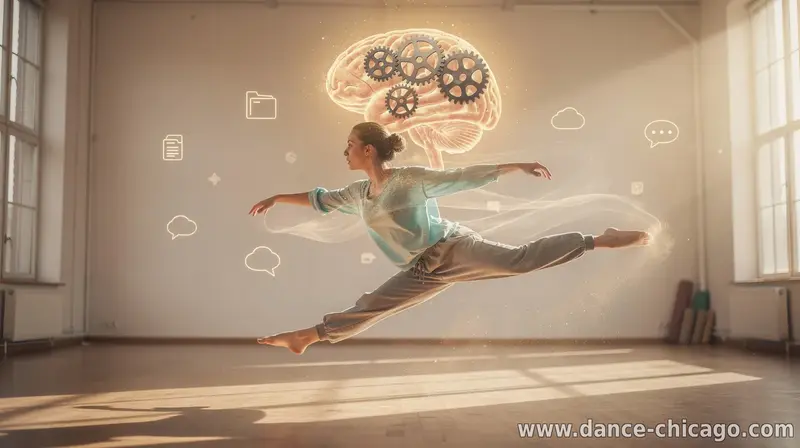
Memory and cognitive function appear to benefit from the combination of sequence learning, coordination, and sustained attention that dance requires. Neuroimaging data indicate enhanced connectivity in brain networks tied to working memory and executive function, suggesting that the brain adapts with regular dance activity in ways similar to other cognitively engaging tasks.
Social aspects of dancing, including group classes and partner work, also seem to amplify mood and motivation. The social support and shared goals in dance settings can combat loneliness and provide a structured routine, both of which are protective factors for mental health.
Experts urge people to consider dance as a versatile mental health tool that can be tailored to different ages and fitness levels. Even modest routines, such as weekly classes or brief daily sessions, may yield meaningful benefits over time.
For those seeking practical steps, researchers recommend choosing styles that feel enjoyable, prioritizing consistency over intensity, and pairing dance with mindful breathing. The overall message is clear: movement, music, and social connection together create a potent mix for stress relief, mood stability, and cognitive vitality.
While further studies are needed to isolate specific mechanisms and long term effects, the current evidence positions dance as a accessible strategy for supporting mental health in daily life.
Related materials
Be the first to share your opinion with others.