
- 11/14/2026
- 19 Views
- Comment
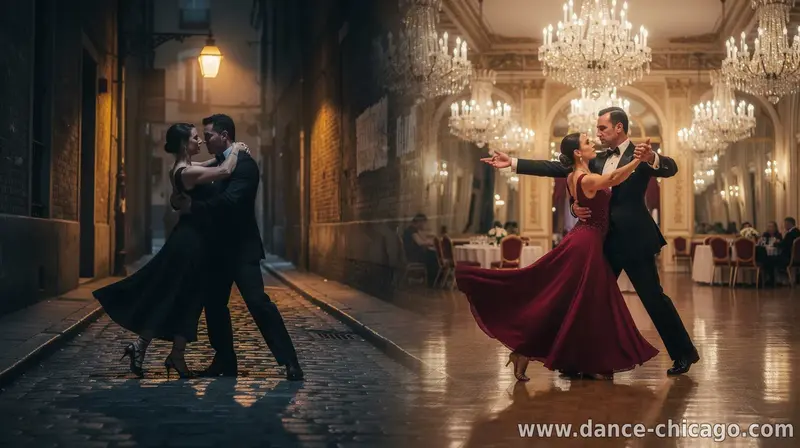
Argentine Tango and Ballroom Tango are often grouped under the broad umbrella of tango, yet they represent distinct worlds with different histories, philosophies, and practices. While both celebrate close connection and musicality, practitioners walk away with very different experiences on the dance floor.
Origins and philosophy. Argentine Tango emerged in the late 19th century among working-class neighborhoods of Buenos Aires. It prioritizes improvisation, conversational lead-and-follow dynamics, and a stripped-down, intimate approach. Ballroom Tango, developed and codified in the 20th century, standardized in many competitions, emphasizes formal technique, precise patterns, and a more polished, theatrical presentation.
Technique and posture. In Argentine Tango, weight shifts are fluid, embrace is often close but can be open, and the emphasis is on the couple’s real-time dialogue with the music. Figures arise from spontaneous connection rather than pre-set sequences. Ballroom Tango stresses structured frame, leg lines, and defined steps. Dancers work within a regulated frame, with deliberate lines and often more extended arm positions to project onto a judging panel.
Music and tempo. Argentine Tango favors a wide range of tempos, including sultry and syncopated phrasing. The music invites personal interpretation and sudden musical responses. Ballroom Tango typically uses standardized repertoires with consistent tempos designed to showcase technique within competition formats and showcases, aligning with a broader set of performance expectations.
Style and mood on the floor
In practice, Argentine Tango feels intimate, improvisational, and often closer to the audience’s emotional heartbeat. Dancers read each other intensely, making each performance unique. Ballroom Tango presents a more formal, organized aesthetic, where choreography and synchronization with a partner and sometimes an ensemble are central to the routine.
Training paths and communities
Argentine Tango communities emphasize social dancing in milongas, milonga etiquette, and a culture of shared improvisation. Instruction emphasizes moment-to-moment connection and personal interpretation. Ballroom Tango training often centers on technique labs, pattern drills, and competition-ready routines, with coaches guiding emphasis on precision, style metrics, and performance flair.
Practical tips for learners. If you’re curious about trying both worlds, start with the basics: for Argentine Tango, focus on balance, comfortable weight transfer, and listening to your partner. For Ballroom Tango, build a solid frame, practice crisp steps, and drill timing with a metronome or trainer. Visiting both communities can illuminate how attitude, space, and musical interpretation shape each style.
Ultimately, the choice between Argentine and Ballroom Tango comes down to what you seek: improvisational intimacy and conversation on the floor, or polished technique and performance structure. Many dancers explore both to appreciate the breadth of tango as a living tradition.
Related materials
Be the first to share your opinion with others.