
- 11/20/2026
- 35 Views
- Comment
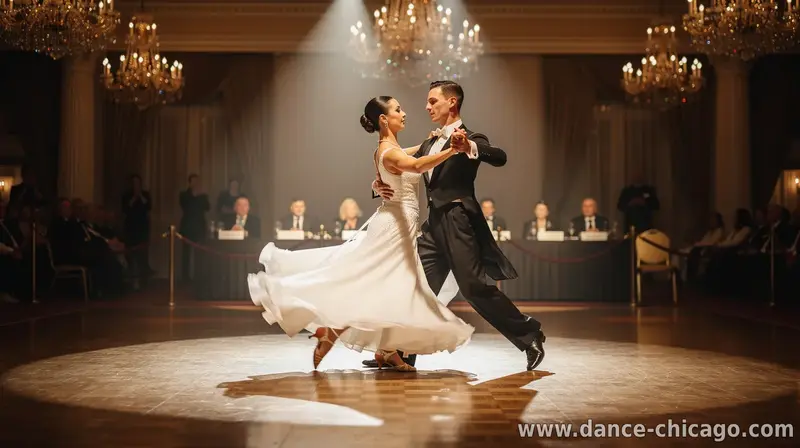
stepping into a ballroom competition is a milestone that blends preparation with performance under pressure. For first-timers, the day can feel overwhelming, but with a clear plan you can focus on what truly matters: technique, presentation, and the story you tell on the floor.
Competition day schedule and logistics
Most events run on a structured timetable: check-in, warm-ups, category announcements, preliminary rounds, and finals. Arrive early to register, verify your registration details, and locate your dressing rooms and warm-up areas. Bring your music backups, spare shoes, and a small kit for quick fixes. A calm routine before you enter the floor—breathing, light stretching, and a quick run-through of your routine—helps anchor your focus.
What judges look for and how scoring works
Judges assess posture, alignment, technique, timing, musicality, and the overall presentation of the dance. Skillful execution of figures, clean lines, poise, facial expression, and continuity across sequences contribute to higher marks. Remember that consistency across all elements often matters more than a single standout move.
Practical tips from coaches and seasoned competitors
1) Prioritize a strong start: a confident opening stance and clean first steps set the tone. 2) Focus on musicality: connect movements to the tempo and phrasing of the track. 3) Manage nerves with a pre-performance routine—breathing, light physical activation, and a mental cue. 4) Dress for impact: well-fitted attire and sound footwear reduce distraction. 5) Have a post-performance plan: acknowledge the judges' feedback calmly, then move on to the next round with a fresh mindset.
As you gain experience, you’ll learn to balance energy with control. Consistency, clean technique, and a clear stage presence often separate competitive dancers who advance from those who don’t.
In addition to on-floor performance, young professionals emphasize the importance of a solid competition routine: know your transitions, rehearse your exit lines, and maintain a steady pace from setup to finish. Networking with peers and coaches can also yield practical tips tailored to your level and style.
Next steps for first-time competitors often include recording practice sessions, reviewing feedback from judges, and gradually increasing the difficulty of your routines as confidence grows. With each event, you’ll refine your preparation, tighten your execution, and learn to enjoy the journey as much as the result.
Related materials
Be the first to share your opinion with others.