
- 09/20/2026
- 142 Views
- Comment
Stepping into your first dance competition is exciting—and a little intimidating. Between schedules, unfamiliar venues, and the pressure to perform on time, it helps to know what to expect before you arrive. While every competition differs, most follow a similar flow.
Before you go: registration, schedules, and logistics
Competitions typically require online or in-person check-in before you can warm up. You’ll usually receive (or be able to view) your schedule, including when your dance is called, where you should report, and the order of events. Keep an eye out for rules about arrivals, missing a call time, and what to bring for staging and backstage needs.
You’ll also want to plan for the venue itself. Check parking or public transport options early, and consider whether you’ll need a place to change. Many first-timers underestimate travel time and the time it takes to set up backstage or find their assigned area.
Warmups and the “backstage” routine
Once you’re checked in, you’ll likely wait for your turn and then join warmups when your group is called. Warmup policies vary—some competitions allow open practice spaces, while others provide limited time and designated areas. Use this time to review cues, stretch safely, and get comfortable with the floor and spacing.
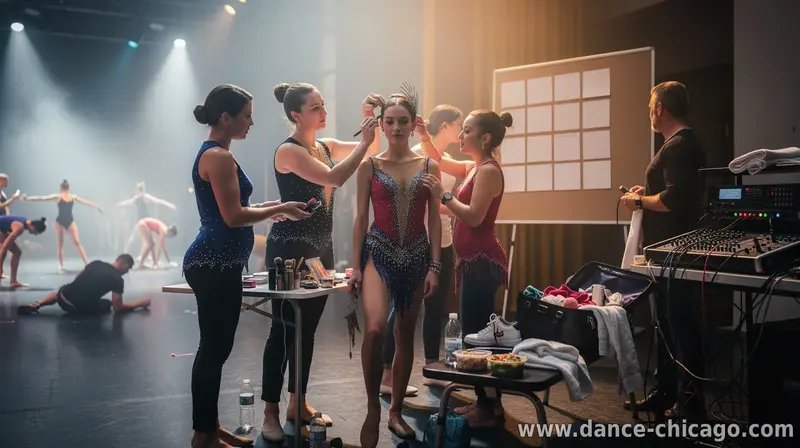
Backstage can feel chaotic at first. Your team may confirm costume readiness, help with hair and makeup, and prepare props or music. If you’re performing with a group, quick formation checks before you go on stage can help you feel more grounded.
Music, staging, and performance nerves
On performance day, your biggest focus is showing up when you’re called and being ready to move. Competitions often use a stage manager or a tech team to handle your music and your transition from backstage to the stage. Familiarize yourself with where you enter and how quickly you’re expected to be set.
It’s normal to feel your nerves spike right before you perform. Many dancers find it helps to use a simple pre-performance routine—deep breaths, a quick focus cue (like remembering the first count), and then committing to the choreography as if the audience is already there.
After your performance: awards, feedback, and recovery
After you dance, you’ll typically return to the waiting area while the event continues. Depending on the competition format, awards may be announced by division, age group, or category. Some events provide adjudication sheets, while others may offer feedback only through placements or score ranges.
Regardless of results, prioritize recovery: hydrate, refuel, and take a moment to decompress with your team. Your first competition is about learning the process—how to handle timing, transitions, and the emotional rhythm of the day.
Quick checklist for first-time competitors
- Your schedule and call time (plus a buffer for delays)
- Costume items, hair/makeup supplies, and backup essentials
- Correct shoes and any required undergarments
- Music/tech requirements if the competition requests submissions
- A plan for hydration and snacks between rounds
Your first competition doesn’t need to feel perfect—it needs to feel manageable. If you prepare your logistics, follow the warmup and call-time process, and lean on your team, you’ll walk into the venue with clarity instead of guesswork. With each run, you’ll gain confidence for the next one.
Related materials
Be the first to share your opinion with others.