
- 09/23/2026
- 226 Views
- Comment
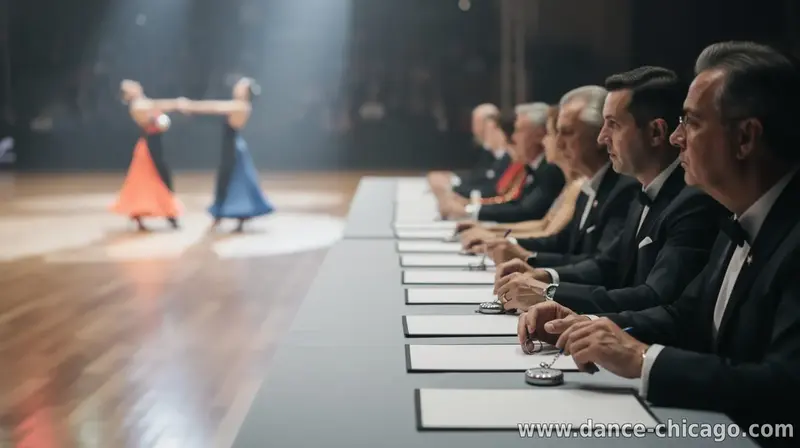
DanceSport competitions may look like pure performance from the stands, but judges are evaluating a structured set of criteria. While each event and federation can emphasize different details, most panels follow a consistent logic: quality of movement, correctness of the dance, and how well competitors execute the music and rules of their category.
1) Technique and execution
Judges closely assess body mechanics and control—clean lines, balance, frame, and the efficiency of movement. In most dances, good technique means you can hold shapes without wobbling, traveling, or “breaking” form under speed. Footwork clarity and consistent use of weight transfer also tend to stand out, especially in fast passages.
2) Timing, rhythm, and musicality
Another major factor is how well dancers interpret the rhythm. Judges look for accurate timing (not just moving to the beat), appropriate tempo response, and consistent attack and release. In partner dances, this includes how synchronized the couple is—whether both dancers hit key moments together.
3) Dance content: correctness for the style
DanceSport routines are not generic; each style has expectations for rise and fall, posture, specific actions, and characteristic movement patterns. Judges may deduct when movements don’t match the dance’s standard look for that category. Competitors who show clear “content” typically score better than those who rely on generic steps or decorate with moves that don’t fit the required character.
4) Movement quality: posture, connection, and flow
Beyond individual technique, judges consider how the couple moves as a unit. This includes partner connection, directional control, and overall flow through the routine—how smoothly you travel from one figure to the next. In many cases, a strong connection and stable posture can make even difficult passages look cleaner and more convincing.
Judges also pay attention to presentation: confident body language, meaningful expression, and the ability to sustain performance quality from the first measure to the final one. Even when technical execution is solid, presentation can affect how clearly competitors communicate the dance’s character.
Finally, adherence to competition rules matters. Events can score differently depending on judging format, but judges generally factor in category eligibility, proper attire standards, and—where enforced—compliance with required elements for a given dance or level.
If you want a practical takeaway: train for consistency. Judges reward dancers who look controlled under pressure—accurate timing, correct style content, stable technique, and believable partnership throughout the entire run, not just in standout moments.
Related materials
Be the first to share your opinion with others.