
- 09/20/2026
- 200 Views
- Comment
Ballroom dancing is often associated with formal events and adult competitions, but many studios now offer age-appropriate classes for kids. If you’re wondering when your child should begin, the most helpful answer is: start when their body is ready for structured movement and their attention can handle short, upbeat lessons.
In practice, many children begin somewhere between 4 and 6 for introductory, play-based movement—while more “traditional” ballroom instruction is commonly offered from 6 to 8. Older kids (often 8+) can typically take full beginner routines with greater consistency, though individual maturity varies widely.
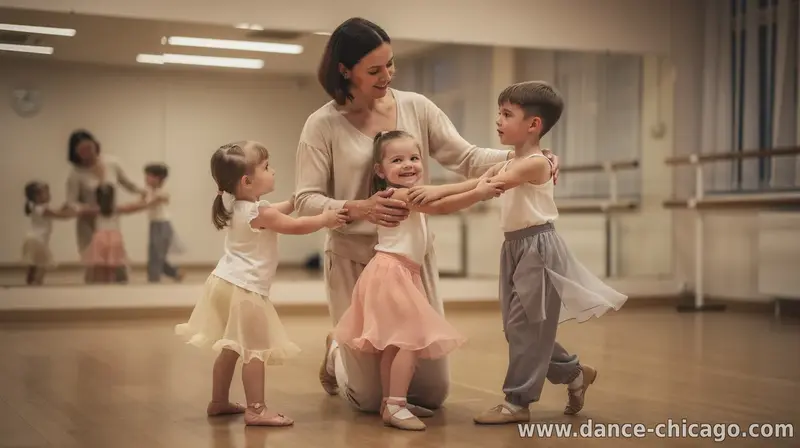
Early starters (about ages 4–6)
For younger children, the goal usually isn’t perfect technique; it’s coordination, rhythm, and social confidence. Look for classes that emphasize games, balance, musicality, and basic partnering skills in a safe, pressure-free setting. If your child enjoys music and can follow simple directions for 30–45 minutes, this age range may work well.
Beginner ballroom (about ages 6–8)
Between 6 and 8, many kids are ready to learn core ballroom fundamentals: posture, basic steps, timing, and simple patterning. They can also benefit more from repetition—practicing the same movements to build muscle memory. If your child is eager to “learn dances” rather than just move to music, this may be the sweet spot.
More structured training (about age 8+)
Kids who start around 8 and up often do well with longer classes and clearer progression. At this stage, instructors can introduce more defined choreography, lead/follow etiquette, and consistent practice habits. It’s also a common age to begin preparing for exhibitions or low-pressure competitions, if your family is interested.
That said, an “ideal” age isn’t universal. Some children are naturally coordinated and focused early, while others may thrive later. The best indicator is whether your child enjoys the activity and can participate comfortably without frequent frustration or burnout.
How to choose the right program
When selecting a studio, prioritize a curriculum designed for children, not just a scaled-down adult class. Consider asking about class length, group size, partner rotation rules, and how instructors handle shyness or mismatched skill levels. A good kids’ ballroom program should teach technique while keeping the experience playful and encouraging.
- Age-appropriate format: short lessons, lots of music, and clear beginner goals
- Partnering basics: teaching respect, space awareness, and comfortable lead/follow
- Confidence-building: positive feedback and low-pressure progression
- Safety and comfort: appropriate flooring, supervision, and respectful behavior policies
Observe a trial class if possible. Notice whether your child is engaged, whether they’re learning basic concepts, and whether the instructor communicates in a way children can understand.
Finally, keep expectations realistic. Ballroom dancing is a skill that improves with time, practice, and consistency—not speed. If your child is having fun, learning steadily, and building confidence, you’re starting at the right time.
If you’d like, tell me your child’s age and personality (e.g., energetic vs. shy, loves music vs. prefers sports), and I can suggest a more tailored starting plan and what to ask studios during your first inquiry.
Related materials
Be the first to share your opinion with others.