
- 11/06/2026
- 117 Views
- Comment
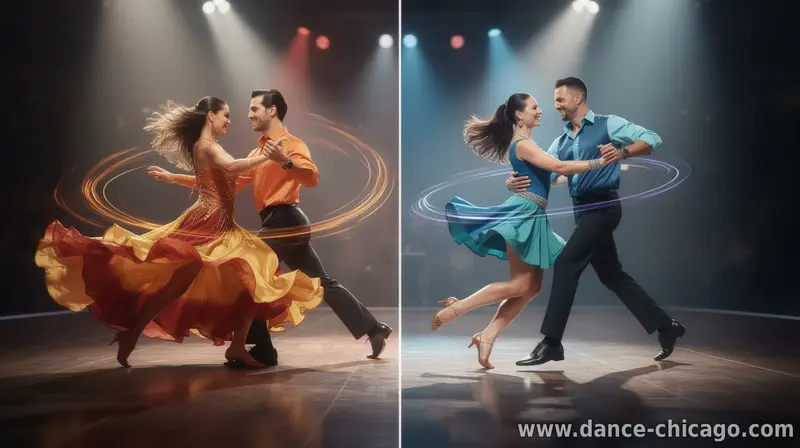
Samba and jive are often mentioned in the same conversation because both can feel electrifying on the dance floor. Yet beneath the speed and showmanship, each style is built on distinct rhythms, timing systems, and technical priorities that shape how dancers move—and how they sound.
For dancers deciding what to learn next (or how to prepare for competitions), the comparison comes down to three things: energy, rhythm, and technique.
Energy: grounded bounce vs. spring-loaded drive
Samba’s energy is frequently described as buoyant and rolling, with action that travels through the hips and torso while staying rooted in a strong sense of weight transfer. The result is a dance that feels playful, elastic, and constantly in motion—even during quick directional changes.
Jive, by contrast, is typically spring-loaded and percussive. It emphasizes sharp, rhythmic actions through the legs and torso, creating a bouncy “push-pull” effect that reads clearly to judges and audiences, especially at higher tempos.
Rhythm: syncopated swing vs. samba’s rolling pulse
Samba is closely tied to Brazilian musical patterns—often featuring driving percussion and syncopation that encourages a distinct hip-led feel. Dancers commonly focus on timing that supports the “bounce” of the beat, with accents landing in a way that makes the dance look continuous rather than step-by-step.
Jive is built around swing-era rhythmic phrasing associated with rock ‘n’ roll influences. The timing tends to feel more directional: actions often land in quick successions, with a cadence that highlights crisp counts and energetic rebounds. If samba feels like a rolling wave, jive can feel like rhythmic momentum on rails.
In practice, the difference shows up in how you “place” your movement: samba often rewards a smoother, hip-centered propulsion, while jive rewards quick, clean contact points that make the rhythm audible through movement.
Technique: hip action and bounce control vs. footwork snap and frame
Technique in samba is frequently about managing hip action, balance, and rotation without losing the character of the step. Dancers work to keep transitions fluid while maintaining a visible, consistent bounce. Good samba technique also involves coordinating upper-body control so the movement stays expressive rather than chaotic at speed.
Jive technique often centers on footwork clarity, partner communication, and the ability to generate power without collapsing your posture. Many dancers practice timing of triple steps and quick directional changes, along with a disciplined frame that helps the motion look clean even when it’s fast.
Where samba can feel like “movement that glides through you,” jive tends to feel like “movement that hits the beat,” with visible snap, rebound, and rhythmic precision.
Which one fits you? Choose by your strengths
If you love musical textures driven by percussion, enjoy hip-led articulation, and prefer continuous motion with expressive sway, samba may match your instincts. It’s also a great fit if you want a dance that encourages groove and dynamic flow.
If you thrive on fast counts, enjoy crisp accents, and like movement that looks clearly energized to spectators, jive may feel more natural. Jive rewards timing discipline and rebound mechanics—ideal for dancers who enjoy structured speed.
Both styles demand cardio stamina and coordination, but they train different “listening” skills: samba trains your sense of rolling, syncopated pulse; jive trains your ability to snap into swing phrasing and keep rebounds consistent.
Ultimately, trying both—ideally with a few classes focused on timing and technique—can reveal which one you can sustain while keeping the character true. If you’re training for performance, ask instructors for feedback on timing and posture: that’s where the biggest differences usually show up first.
Related materials
Be the first to share your opinion with others.