
- 11/26/2026
- 25 Views
- Comment
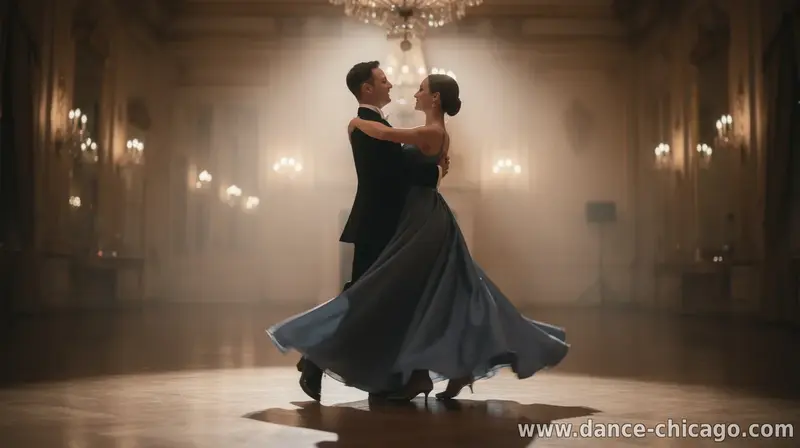
The Waltz and Foxtrot are two of ballroom dancing’s most recognizable styles, celebrated for their elegant rise and fall. At its core, rise refers to lifting upward slightly as you move, while fall is the controlled lowering of the body as you transfer weight. Done correctly, this motion adds buoyancy and grace to every step, helping dancers glide rather than stumble.
In the Waltz, rise and fall follow a gentle, continuous pattern. Partners maintain a closed frame, keep their spines tall, and use the ankles and knees to rise subtly as they step forward, then settle into a smooth, level finish. The movement should feel like a single, unbroken wave, aiding balance and rhythm.
The Foxtrot uses a similar principle but emphasizes a slightly longer, more grounded feel. Dancers rise through the feet to absorb momentum, then release gradually as they shift weight from one foot to the other. The result is a smoother, gliding quality that suits the song’s tempo and flow.
Key elements to master include posture, footwork alignment, and timing. Keep shoulders relaxed, neck long, and eyes forward. Your weight should transfer from the heel to the ball of the foot in tempo with the music, while the rise happens mainly through the ankles and knees rather than through the hips or shoulders.
Common mistakes include over-rising, which can disrupt balance, or collapsing too early, which makes the movement look stiff. Practice with a slow tempo before increasing speed, and always sync rise and fall with the music’s rhythm and your partner’s frame.
Tips for beginners: start with a basic box or area pattern, focus on a steady rise as you begin a step, and aim for a seamless connection with your partner. A trained instructor can help you fine-tune alignment, weight distribution, and timing to suit your body and the music.
As you grow more comfortable, you’ll notice rise and fall adding depth to both the Waltz and Foxtrot. It isn’t just about height; it’s about a living motion that keeps the dance smooth, controlled, and expressive. With practice, this technique becomes second nature, elevating your performance on the dance floor.
Related materials
Be the first to share your opinion with others.