
- 09/21/2026
- 205 Views
- Comment
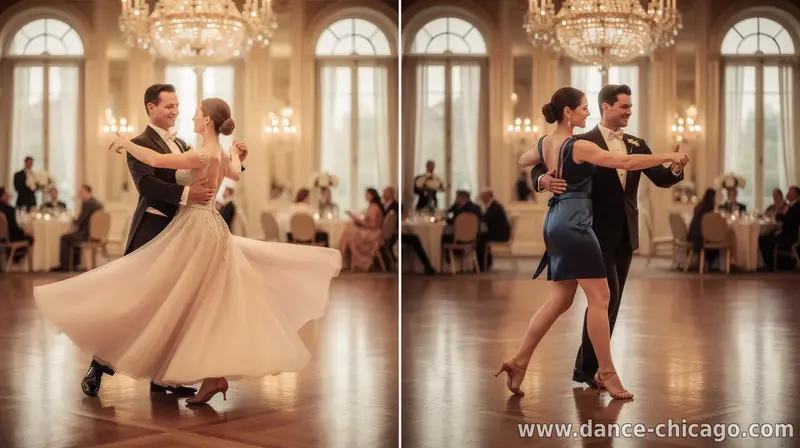
Waltz and foxtrot are staples of ballroom dancing, often taught early in beginner programs—but they don’t feel the same on the floor. The right starting point depends on the music you enjoy, how quickly you want to build timing, and whether you prefer a more “swaying” motion or a longer, flowing stride.
At a glance, the waltz is defined by a strong three-beat pulse, while the foxtrot is known for its smooth, gliding action and typically more varied rhythm within the same overall feel. Both can be learned progressively, but each rewards slightly different skills.
Rhythm and timing: three beats vs. a smoother walk-like pulse
The most recognizable difference is musical structure. Waltz is typically danced to 3/4 time, with weight changes guided by that recurring “one-two-three” pattern. Foxtrot is often associated with 4/4 time and is commonly described as having a long, steady flow that can still feel dynamic when phrased with the music.
In practice, that means waltz often feels more “countable” right away for many beginners because the timing is straightforward. Foxtrot can feel more forgiving in speed changes, but it may take longer to internalize because you’re learning to stretch and connect movements across beats.
Movement character: rise-and-fall vs. glide and continuity
Waltz is built around a characteristic rise-and-fall action that creates lift on certain beats and grounds you on others. It often emphasizes a pronounced frame and body shaping, which can make the dance feel dramatic even when the steps are not complex.
Foxtrot prioritizes continuous movement. Many versions emphasize a smooth progression through space—like walking with poise—where the transition between figures is designed to look seamless rather than “stepped” or segmented.
Learning goals: what you’ll get out of each first
If your goal is to develop clear musical timing quickly, the waltz can be a strong first choice. The dominant three-beat structure helps you coordinate footwork and sway earlier, and it’s easy to hear when you’re aligned with the music.
If your goal is to work on travel, connection, and smoothness—especially if you’re drawn to classic big-band or easy-swing recordings—foxtrot may match your taste from the start. It’s also a good pathway if you like the idea of long lines and consistent forward motion.
Which should you learn first? A practical decision guide
- Start with waltz if you want fast rhythm wins and a clear three-beat foundation.
- Start with foxtrot if you prefer smooth, gliding movement and music with a flowing, steady groove.
- Pick based on venue goals: if you’re preparing for social events that rotate through standards, learn whichever you’re more likely to hear played most often.
- Choose what motivates you: consistent practice beats “perfect” sequencing—your preferred music will keep you showing up.
Many dancers don’t have to choose permanently. A common strategy is to learn the fundamentals of both—waltz first for timing clarity, then add foxtrot for continuity and travel—so you build a broader skill set across different musical feels.
Whatever you choose, focus on fundamentals: good posture, relaxed but intentional frame, consistent weight changes, and controlled partner connection (if dancing with someone). Those basics transfer quickly between dances and help you avoid learning steps that look correct but feel unstable.
In the end, waltz and foxtrot are different “languages” of ballroom—one guided by a classic three-beat pulse, the other by a smooth, flowing stride. Start with the one that matches your musical preferences and practice habits, then layer in the other as you build confidence on the floor.
Related materials
Be the first to share your opinion with others.