
- 10/20/2026
- 200 Views
- Comment
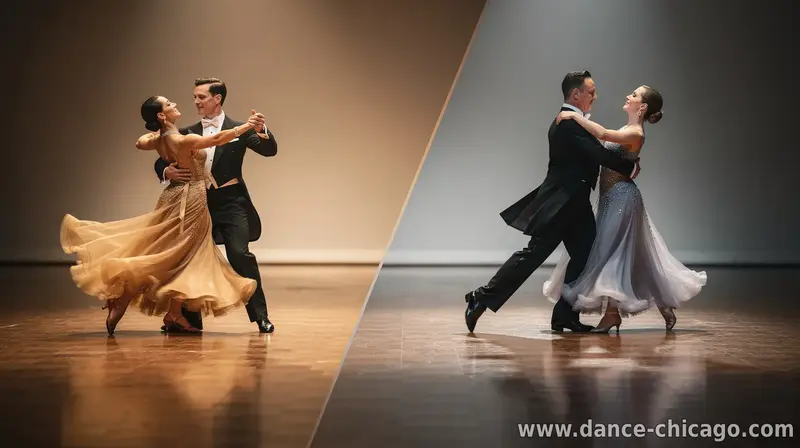
Waltz and foxtrot are both staples of ballroom “smooth” dancing, but they teach different fundamentals. If your goal is to learn faster, feel confident on the floor, and progress efficiently, the decision is less about which is “better” and more about which matches your rhythm, movement style, and practice time.
Quick answer: Learn the Waltz first if you’re new to ballroom timing and want a clear, structured cadence. Choose Foxtrot first if you’re comfortable with a steady beat and want a longer, gliding feel that can adapt well to many tempos.
1) Music and timing: the core difference
The waltz is built around a strong three-beat feel (often counted as 1-2-3), which can make timing easier to internalize—especially when you’re learning footwork and frame. Foxtrot, by contrast, is typically more closely associated with a four-beat feel, with smooth, continuous movement that can feel less “chunked” and more like a flowing line.
Practically, that means beginners often find the waltz’s triplet structure simpler at first, while foxtrot rewards dancers who enjoy maintaining a consistent rhythm through traveling steps.
2) Movement feel: rise-and-fall vs glide
Waltz is known for its characteristic rise and fall—a gentle vertical motion that helps sell the dance’s elegance and provides a natural way to connect steps. When practiced well, it also clarifies how weight transfers work throughout the pattern.
Foxtrot emphasizes longer, smoother travel. Many versions focus on an even, gliding look that highlights controlled posture and effortless movement through the floor. If you’re attracted to “smooth and steady” motion, foxtrot can feel immediately satisfying.
3) Learning curve: which helps you progress faster
Because the waltz’s basic timing is straightforward, it’s commonly a strong starting point for beginners. You can quickly learn recognizable patterns, build confidence in step placement, and develop the feel for frame and partner connection.
Foxtrot can be equally approachable, but it often demands careful attention to continuity—keeping movement smooth across beats without overstepping or breaking flow. If you’re already comfortable with rhythm training or have danced casually before, foxtrot may become your quickest win.
4) Stage and social usefulness: where each shines
Both dances are common in social and competition settings, but they appear differently on playlists. Waltz tracks—often more clearly identified by their ballroom waltz feel—make it easier to find songs that match your timing practice. Foxtrot music can vary more, and skilled dancers often use foxtrot-style control to adapt to different tempos.
If your primary goal is to dance at events soon, consider which songs you’re more likely to hear and want to move to. If you’re training for progression across multiple smooth dances, starting with the waltz can give you strong foundational timing.
So which should you choose?
- Choose Waltz first if you want clear three-beat timing, a structured feel, and fast confidence-building.
- Choose Foxtrot first if you prefer gliding movement, traveling lines, and continuous flow from the start.
- Choose based on your practice style: waltz is often friendlier for short, focused sessions; foxtrot rewards steady repetition for smooth continuity.
Whichever you pick, the best learning strategy is simple: master basics slowly (timing, frame, weight transfer), then gradually increase speed as your movement stays consistent. If you’re unsure, take one intro class for each—your body will often tell you quickly which dance feels more natural.
Related materials
Be the first to share your opinion with others.