
- 09/21/2026
- 174 Views
- Comment
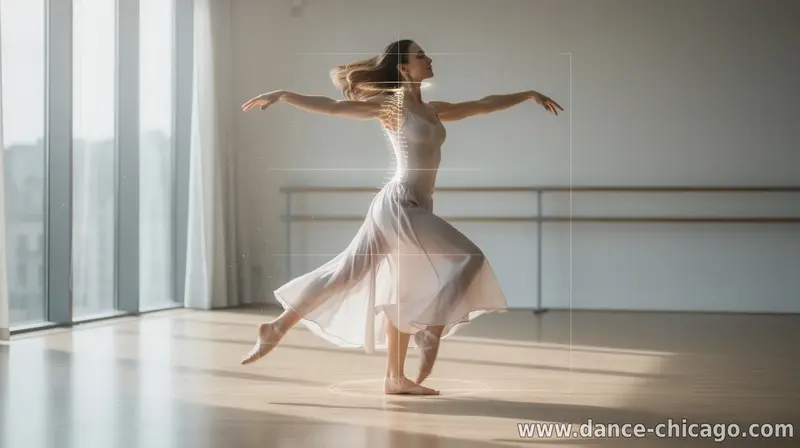
For years, posture advice has focused on stretches, physical therapy, and ergonomic changes. Now, more coaches and movement specialists are pointing to an additional approach: posture correction through dance—using rhythm, repetition, and whole-body control to retrain how people stand, move, and carry themselves.
While no single routine can “fix” posture overnight, many dance-based programs claim real, trackable results by targeting the same foundations that physiotherapy emphasizes: core stability, hip and shoulder alignment, and improved neuromuscular awareness.
Why dance can improve posture
Posture is not just a matter of “standing up straight.” It depends on how the body coordinates muscles across the back, hips, feet, and breathing system. Dance naturally demands posture-related actions—weight shifts, controlled torso movement, and stable frames—often repeated in structured combinations.
Instructors typically build training around alignment cues such as long spine positioning, grounded foot pressure, lifted chest without over-arching, and controlled shoulder placement. Over time, learners may find they can maintain safer alignment not only while dancing but also during everyday activities like walking and sitting.
What results people report
Participants in posture-focused dance classes commonly describe improvements in comfort and movement quality. These reports often include reduced “hunching” habits, fewer stiffness episodes in the upper back or hips, and greater ease transitioning between postures throughout the day.
Some programs also track progress indirectly through better balance, improved turn control, increased range of motion during rehearsed moves, and cleaner execution of posture cues. For many, the most noticeable change is feeling more stable—especially during sustained standing or repeated movement patterns.
Importantly, results vary. People with existing injuries, significant spinal conditions, or chronic pain may need medical guidance and tailored movement modifications.
How posture-correcting dance is typically taught
Dance-based posture training often begins with foundational drills rather than full choreography. Lessons may include breath and ribcage control, pelvic alignment work, foot articulation for stability, and slow tempo movements that emphasize correct stacking of head, ribs, and pelvis.
From there, instructors usually layer in controlled dance elements—such as basic turns, side steps, and torso-led patterns—so alignment becomes consistent under movement demands. The goal is to turn “good posture” from a visual reminder into an automatic motor skill.
Many classes also incorporate cooldowns that encourage gentle mobility and muscle relaxation, helping learners avoid training soreness that can discourage continued practice.
What to look for in a “real results” program
Not all dance for posture is equal. A credible program generally offers clear alignment cues, progression that respects individual bodies, and modifications for different mobility levels. It should also prioritize safe technique over speed or style for the sake of performance.
If you’re choosing a class, consider whether the instructor emphasizes core engagement, stable hips, and shoulder mechanics, and whether they can explain how posture cues relate to everyday posture. Programs that encourage mindful repetition—rather than relying only on fast choreography—often have the strongest posture-correction focus.
Ultimately, posture correction through dance tends to work best when participants treat it like training: consistent attendance, attention to form, and gradual progression. With time, dance can become both a workout and a re-learning process—helping people move with more ease, confidence, and alignment in daily life.
Related materials
Be the first to share your opinion with others.