
- 10/17/2026
- 253 Views
- Comment
Dancing is gaining attention in fitness circles as a fun, sustainable way to exercise—one that can also be adapted for older adults. While weight loss efforts often focus on diet and structured workouts, health educators increasingly point to dance as a form of “whole-body” movement that builds endurance, strength and coordination.
For seniors, the emphasis is not on fast steps or high intensity. Instead, many programs encourage rhythm-based activity that helps with balance, range of motion and confidence moving through daily life.
Why dancing can support weight loss
Dance combines continuous movement with changing patterns, which can raise heart rate and increase calorie burn. Depending on the style and intensity—such as upbeat dance cardio or moderate ballroom practice—sessions may range from gentle activity to more vigorous workouts.
Health specialists note that the best weight-loss results usually come from consistency. Dancing can help people stick with exercise because it feels less like “working out” and more like an activity tied to music and enjoyment.
Benefits for seniors: mobility, balance and social connection
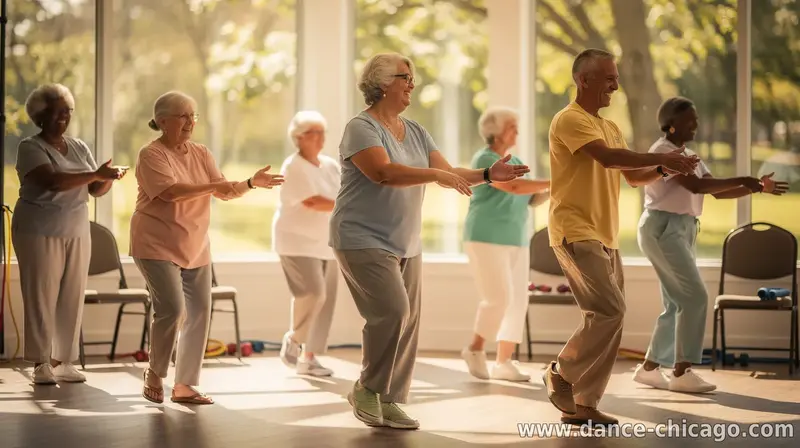
For older adults, dancing can be designed to meet individual mobility needs. Chair-based routines, supported partner dancing, or slow, guided stepping can reduce strain while still training coordination and leg movement.
Beyond physical effects, group dance classes can also offer social interaction—an element associated with better long-term exercise habits. In turn, that social motivation may support overall wellbeing, mood and independence.
How to start safely (and keep it sustainable)
Experts commonly recommend beginning with low-impact, short sessions and gradually increasing time as comfort improves. Good practice includes focusing on posture, using stable surfaces or chairs for support, and choosing footwear that provides traction.
Anyone with medical concerns—such as heart conditions, balance impairments, or joint pain—is generally advised to consult a clinician or physiotherapist for personalized guidance. The key is to select dance styles and durations that feel challenging but safe.
- Start with 10–20 minutes at an easy pace, 2–3 times per week.
- Use support when needed: chair, railing, or a steady partner.
- Prioritize smooth steps and posture over speed.
- Consider low-impact options first (rhythm walking, seated dance).
- Stop if pain, dizziness or shortness of breath feels abnormal.
What to look for in community or home programs
Local community centers, senior groups and certified instructors often offer classes tailored to older adults. When evaluating programs, learners may benefit from checking whether sessions include warm-ups, modifications for different mobility levels, and a focus on balance and safe movement patterns.
For home practice, short playlists with clear rhythms can help people stay on pace. Many instructors also suggest mixing styles—such as gentle ballroom steps and slower Latin-inspired movement—to keep sessions engaging while preventing overuse from repeating one pattern.
As more people look for exercise options that fit real life, dance is increasingly positioned as both practical and enjoyable. With appropriate intensity and sensible safety measures, it can serve as a versatile tool for weight management goals and for maintaining strength, balance and mobility in later years.
Related materials
Be the first to share your opinion with others.