
- 10/17/2026
- 188 Views
- Comment
Ballroom dance is often described as elegant and social—but behind the look is a training effect that can reach far beyond the dance floor. With repeated practice of posture, balance, and coordination, dancers commonly report improvements in how they hold themselves, as well as increased confidence in both staged and everyday settings.
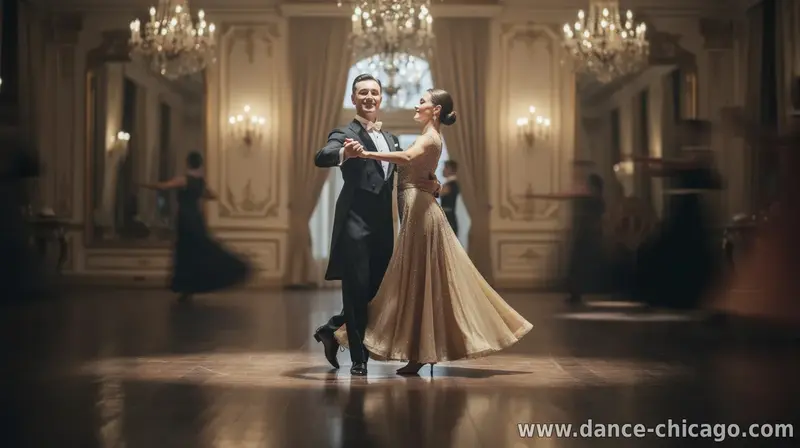
At its core, ballroom dancing emphasizes a stable body position. Competitive and social styles alike typically require an upright stance, an engaged core, and controlled shoulder and arm placement. Those technical demands encourage dancers to move with better alignment rather than slumping or leaning for balance.
Posture becomes a “habit” through repetition. Many of the fundamental steps—standing tall, transferring weight smoothly, and maintaining a consistent frame with the arms—repeat across lessons. Over weeks, that repetition trains muscle memory, making good posture feel more automatic during movement, not just while practicing.
In practical terms, teachers often guide students toward “stacking” the body: head over shoulders, shoulders over hips, and weight distributed deliberately. Because ballroom requires constant micro-adjustments—correcting balance when turning, sustaining position in holds, and returning to neutral between sequences—dancers may gradually reduce common compensations such as twisting from the spine or lifting shoulders under tension.
Why confidence grows with every practice session
Confidence in ballroom dancing is built in measurable ways. First, dancers learn quickly that progress is trackable: a new step becomes easier, turns become smoother, and the dance starts to look more coordinated. That sense of advancement can translate into greater self-efficacy—knowing you can learn and improve.
Second, ballroom is fundamentally partner-based. Working with a partner on timing, lead-and-follow cues, and shared balance creates a supportive learning environment. When a dancer receives clear feedback—whether from a teacher, a partner, or even video review—they gain the reassurance that adjustments are possible, not fixed.
Finally, ballroom provides a safe framework for performance. Even if the goal is social dancing, many communities host showcases, practice parties, or informal events. Regular exposure to being seen—paired with skills that become more reliable—can help reduce social anxiety and increase comfort in public settings.
Movement quality improves along with alignment. Better posture isn’t just about looking taller; it also affects movement efficiency. When dancers keep their core engaged and their frame stable, they often experience smoother transitions between steps and fewer “jerky” corrections. That smoother motion can make dancing feel more natural, which further reinforces confidence.
For many beginners, the first wins come from small, concrete changes: learning to stand with weight properly placed, keeping breathing steady, and maintaining a consistent upper-body position through turns. As those skills compound, confidence tends to follow—first on the dance floor, then in everyday posture and presentation.
Whether you’re trying ballroom for fitness, social connection, or skill development, the take-home message is consistent: the discipline of form supports stronger alignment, and the repetition of learnable sequences helps build self-assurance. With regular practice and good instruction, ballroom can become more than a hobby—it can be a practical training ground for posture and confidence.
Related materials
Be the first to share your opinion with others.