
- 11/06/2026
- 3 Views
- Comment
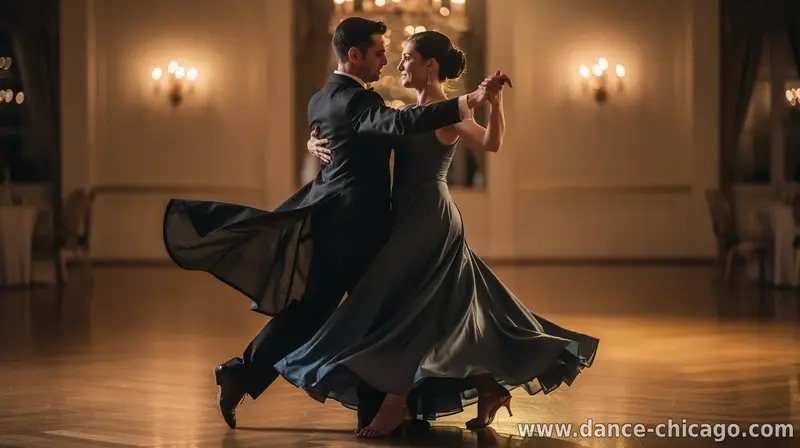
Leading without pushing is less about strength and more about clarity, timing, and responsiveness. The most successful partners communicate through gentle pressure, precise timing, and attunement to your partner’s responses. When leadership is clean and considerate, both dancers move with intention and confidence.
Key principles include establishing a clear frame, maintaining consistent tension, and giving your partner room to respond. The leader's job is to create options, not to compel a change in movement. This means using minimal, well-timed signals and calibrating pressure to match the follower’s cues and comfort level.
Practical cues to practice on and off the floor include: maintaining a stable, elastic connection through the arms and torso; signaling turns, direction, and rhythm with subtle changes rather than abrupt pulls; and listening for the follower’s alignment and balance, then adjusting your balance and step timing accordingly.
Common mistakes to avoid are over-pressuring, inconsistent timing, and assuming the follower cannot read your body language. Instead, aim for a choreography of mutual initiative where both partners contribute to the flow. Regular drills that focus on lead-follow communication help lock in trust and responsiveness.
Techniques for practice include solitary drills to refine posture and core engagement, partner drills emphasizing hold-and-release timing, and slow-slow-fast sequences to practice responsive leading. Start with simple movements, then progressively increase complexity as your connection deepens.
On the social dance floor, etiquette plays a crucial role. Respect the follower’s comfort, prioritize consent in movement choices, and be willing to adjust when signals aren’t clearly read. A calm, supportive approach invites confidence and improves overall performance for both dancers.
Looking ahead, measure progress not by how forcefully you lead, but by how smoothly you guide movement while preserving your partner’s freedom. The best leaders cultivate a practice routine that reinforces subtle communication, body awareness, and the shared joy of dancing together.
Related materials
Be the first to share your opinion with others.