
- 10/12/2026
- 283 Views
- Comment
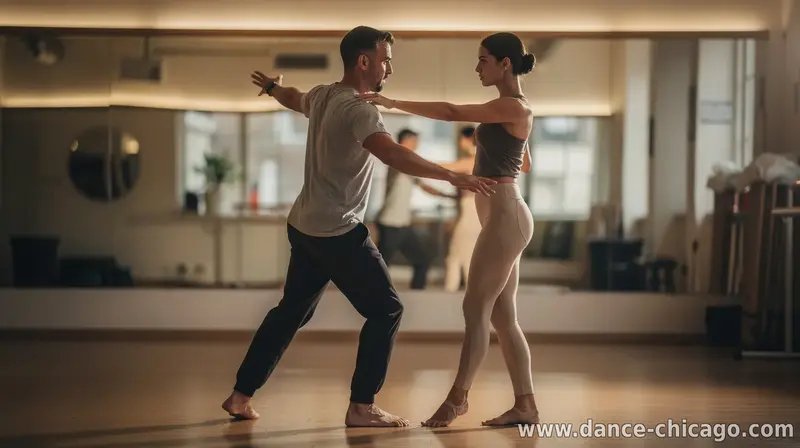
“Lead and follow” describes how partners coordinate movement in many partner-dance styles. Instead of both dancers trying to “do the same thing,” the pair works as one system: the lead sets the direction and timing, while the follow reads those signals and shapes the movement.
Although it sounds abstract, the idea is practical. The lead’s job is to communicate intent; the follow’s job is to respond with control, balance, and matching rhythm. When both roles do their part, the dance feels smooth and connected rather than confusing or random.
What a “lead” actually does
A lead provides actionable information—usually through body positioning, subtle pressure, and timing rather than large arm gestures. The most helpful leads are consistent: they signal what comes next early enough for the follow to understand, and they avoid abrupt changes that make interpretation difficult.
In practice, leading often means establishing connection (such as proper frame or hand contact), initiating movement at the right moment, and maintaining a stable base so the follow can move confidently.
What a “follow” actually does
A follow translates the lead’s signals into movement. That typically involves listening with posture and tension, not just watching the leader’s hands. Good following includes maintaining balance, giving responsive motion, and adapting when the lead’s intention changes.
Rather than “waiting” passively, beginners should aim to be actively responsive: the follow should commit to the lead’s cues while also keeping movements controlled and fluid.
The connection: where communication happens
Most beginner struggles come from inconsistent connection. Whether you’re using handholds, ballroom-style frames, or other contact points, the idea is the same: there should be enough contact to transmit direction and timing, but not so much tension that movement becomes rigid.
Try to keep your connection calm and centered. If the follow feels disconnected, the dance may feel like guessing. If the connection is too tense or jerky, it can make the follow’s job harder and reduce overall smoothness.
First practice drills for total beginners
Start simple and focus on timing and clarity. Here are a few beginner-friendly drills you can do in any partner-dance context:
- Rock-step timing: both partners match the beat and adjust together so the follow trusts the rhythm.
- Direction through body: the lead moves the torso slightly to suggest direction while keeping arms relaxed.
- Stop-and-go: pause confidently, then move again on cue to practice clear starts and stops.
- Small signals: practice tiny initiations first (short steps, gentle shifts) before trying bigger patterns.
As you improve, you’ll naturally begin to add variety—turns, variations, and sequences—without losing the underlying communication.
One of the best beginner rules is: if something feels unclear, return to basics. Reset connection, slow the tempo, and make the next cue smaller and earlier.
Common beginner mistakes (and quick fixes)
Many issues are normal at first. Leads may overuse their arms, giving signals too late or too strongly. Followers may “guess” instead of listening to posture and timing. Another common problem is trying to rush ahead of the other partner, which creates tension and missed cues.
A quick fix for both roles is to slow down and exaggerate clarity—more early timing for leads, more deliberate responsiveness for follows—until the connection feels reliable. Over time, your signals get subtler while your coordination improves.
Eventually, lead and follow becomes less about memorizing moves and more about understanding momentum, balance, and communication. With consistent practice, even total beginners can dance with confidence and feel the partnership behind every step.
Related materials
Be the first to share your opinion with others.