
- 10/12/2026
- 175 Views
- Comment
Starting a Latin dance is exciting—but picking between Tango and Rumba can feel like a fork in the road. Both are iconic, both build core rhythm and partnership skills, and both look impressive once you learn the fundamentals. The best choice depends less on “which is easier” and more on what kind of dancer you want to become.
Tango: dramatic lines and precise timing
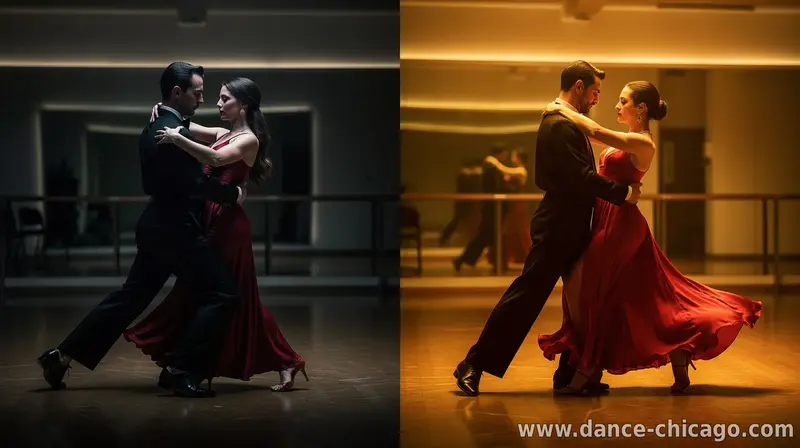
Tango is known for its controlled posture, bold pauses, and clean, intentional steps. It’s often described as a conversation—where movement, stillness, and timing communicate emotion. If you like music with a steady, driving pulse and you enjoy learning patterns that feel exact and repeatable, tango can be a satisfying starting point.
One practical note: tango technique tends to reward patience. The walk, the embrace, and the ability to lead or follow smoothly take time to feel natural, especially when you’re coordinating body angles with partner connection.
Rumba: groove, hip motion, and musical “feel”
Rumba is widely associated with rhythm-forward movement—especially hip action and body isolations—paired with a musical emphasis that feels more fluid and expressive. If you’re drawn to dancing that focuses on sensation and timing within the beat, rumba may feel more natural early on.
Rumba can also be a great gateway to other Latin styles because it strengthens your understanding of how weight shifts and hip momentum work together. Many beginners find they improve their “dance look” quickly as they learn to internalize the groove.
How to choose: match the dance to your goals
When deciding between tango vs. rumba, consider what you want to get out of your first month of lessons. A dance that feels enjoyable to practice consistently will usually lead to faster improvement overall.
- Choose tango if you prefer sharper lines, clear step patterns, and dramatic pauses.
- Choose rumba if you want a stronger focus on rhythm, hip action, and expressive groove.
- Choose tango if your music taste leans toward steady, driving rhythms and structured phrases.
- Choose rumba if you love songs where you can “feel the beat” and move with it fluidly.
If you’re unsure, you can also think about how you like to learn: tango often emphasizes control and accuracy, while rumba often emphasizes musicality and body mechanics that translate into a natural-looking style sooner.
Which one helps you socially faster?
For many learners, “faster” means looking confident in a social setting. Tango’s dramatic styling can stand out quickly, even with basic steps, because the dance values posture and intentional movement. However, it may require more practice to feel comfortable with timing and partner connection.
Rumba is frequently easier to enjoy in the moment because it rewards dancing with the music. Even early, you can often look expressive while you continue refining technique. The key is to keep your weight shifts and rhythm consistent as you build confidence.
In the end, the best starting choice is the one you’ll practice the most—and the one that keeps you curious. If your lessons include both, consider starting with one for 4–6 weeks, then switch. You’ll build complementary skills: tango can sharpen your precision, while rumba can deepen your musicality.
Related materials
Be the first to share your opinion with others.