
- 09/20/2026
- 210 Views
- Comment
Most children come into their first dance lesson with a mix of curiosity and nerves. With the right preparation, you can turn “I’m not sure” into “I’ve got this,” while also helping them feel comfortable with the new routine, expectations, and environment.
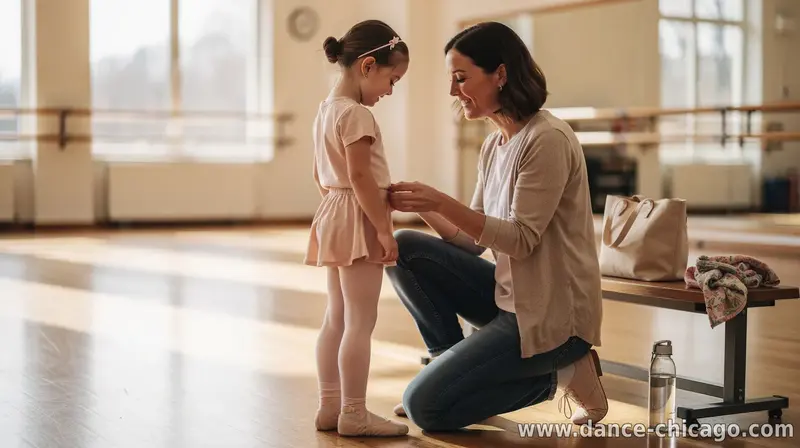
Before you go, focus on basics. Confirm the lesson time, location, and whether the studio has specific dress rules. Some classes require dance shoes or specific attire, while others simply ask for comfortable clothing that allows movement. If your child is unsure, choose simple, flexible outfits and keep anything restrictive to a minimum.
Pick the right outfit and bring what you need
Comfort matters more than style on day one. Look for breathable clothing that won’t slip during turns and jumps. Bring a small water bottle and, if the studio allows it, a towel or extra hair ties. If the studio has a class-specific shoe requirement, consider getting shoes in advance so your child can practice walking in them at home.
For hair and accessories, follow the studio’s guidance. Many dance classes prefer hair secured away from the face for safety and focus. Try not to introduce anything new on the day itself—if your child isn’t used to a particular style or shoe, practice briefly beforehand.
Talk through what will happen—without pressure
Explaining the flow of the lesson can reduce anxiety. You can tell your child they’ll likely start with a warm-up, learn simple steps, and practice with the group. Emphasize that everyone begins as a beginner and that feeling awkward at first is normal.
Use encouraging language that avoids performance pressure. Instead of “You have to be great,” try “Let’s learn together,” or “Your job is to try and have fun.” If your child is particularly shy, agree on a small goal for the first class—such as saying hello to the teacher, asking one question, or learning one combination.
Manage nerves and build confidence
New environments can be overwhelming, especially for younger dancers. Arrive early enough to settle, use the restroom, and get comfortable with the space. If your child feels nervous, offer calm reassurance and remind them they can take a break if needed.
After the lesson, keep the conversation simple and supportive. Ask what they enjoyed most, what they learned, and whether anything felt tricky. Celebrate effort and curiosity rather than “winning” the class—this helps them associate dance with positive growth.
Support long-term learning
Consistency is key. Encourage regular attendance and reinforce that mistakes are part of learning. If your child struggles with a particular step, avoid practicing in a way that becomes stressful. Instead, watch for patterns: is it balance, rhythm, or memory? Then, consider asking the teacher about at-home-friendly ways to reinforce the skill.
With thoughtful preparation—comfortable clothing, a clear sense of expectations, and a confidence-first mindset—your child is more likely to walk into their first dance lesson feeling ready. And more than that, they’ll have a foundation for enjoying the process from day one.
Related materials
Be the first to share your opinion with others.