
- 09/20/2026
- 189 Views
- Comment
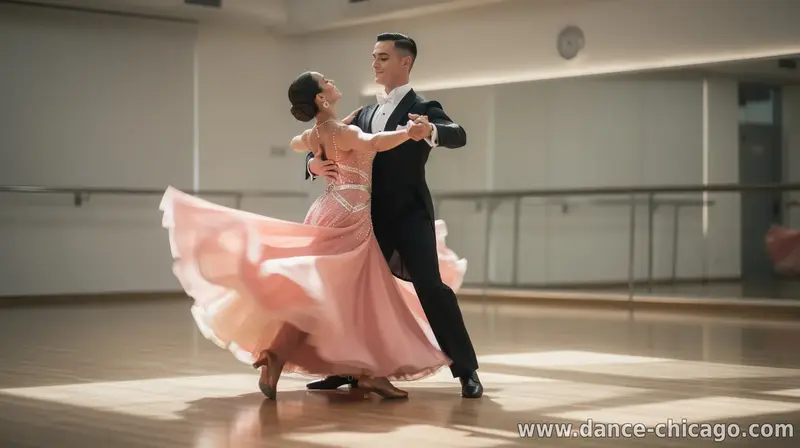
Ballroom dancing is often described as elegant and graceful, but behind the look is a practical training method. Regular practice works the core, strengthens back and shoulder support, and builds awareness of body alignment—key ingredients for better posture. At the same time, performing partner dances can boost confidence by rewarding progress you can feel and see.
Posture: posture training through movement and muscle memory
Good ballroom technique depends on a stable, upright frame. In most styles, dancers learn to keep the chest lifted, shoulders relaxed, and spine elongated rather than collapsed or slouched. Over time, repeating these positions builds muscle memory, helping good posture become more automatic in everyday life.
Because ballroom includes controlled weight shifts, consistent footwork, and deliberate arm placement, it also encourages balanced strength. Engaging the legs, core, and upper back reduces the tendency to over-rely on weaker postural habits—such as leaning forward during long hours at a desk.
Control and alignment: balance that translates outside the studio
Many people experience posture issues partly because they lose balance without noticing. Ballroom dancing trains balance through turns, foot placement, and timing with a partner. As dancers learn to maintain alignment while moving, they develop better coordination and spatial awareness—skills that can help reduce slumping and improve stance in daily activities.
In addition, the “frame” used in partner dancing requires steady support. That steadiness often translates to improved body control, which can make standing, walking, and carrying oneself feel more natural and less tiring.
Confidence: progress, feedback, and the social element
Confidence grows when people see measurable improvement. Ballroom classes typically provide structured learning—starting with basic steps and gradually increasing complexity. Each successful practice session and new figure can create a sense of achievement, reinforcing confidence as competence increases.
The partner component also matters. Ballroom dancing offers an environment where communication and trust are practiced intentionally. Dancers learn to lead and follow, respond to cues, and recover smoothly after mistakes—experiences that often build social confidence and reduce fear of “getting it wrong.”
Stress relief and presence: feeling better in your own body
Beyond muscles and mechanics, ballroom dancing can support confidence by improving how you feel physically and mentally. Rhythm-based movement helps many people concentrate on the present moment, shifting attention away from self-criticism and toward sensation, timing, and connection. Feeling more at ease in your body can naturally carry into other parts of life.
For those returning to movement after time away—or starting something new—ballroom can be a motivating entry point. The combination of music, structure, and friendly feedback often makes it easier to stay consistent, which is important for both posture changes and confidence gains.
Whether your goal is a taller stance, stronger core support, or simply feeling more comfortable around others, ballroom dancing offers a two-part pathway: physical alignment through technique, and confidence through progress and practice. With regular classes and mindful repetition, the benefits can build steadily—step by step—both on and off the dance floor.
Related materials
Be the first to share your opinion with others.